
Hoary rock-rose
Helianthemum canum
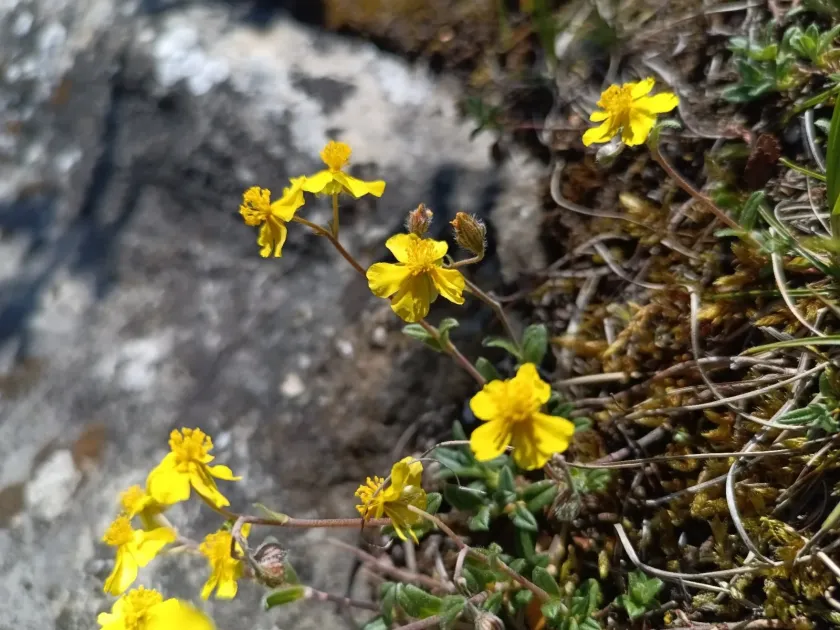
Description
Sowing dates
Sowing of Helianthemum canum seeds is typically performed in early spring, specifically during March or April, using indoor trays for optimal control over germination.
Seeds require light for successful germination, so they should be surface-sown and covered only with a very thin layer of fine sand or vermiculite.
The germination process is most effective at a stable temperature range of 18–20 degrees Celsius, ensuring robust development of the seedlings during the initial phase.
Transplanting into the permanent garden location occurs in late May once the risk of severe frost has completely passed and the soil has reached sufficient warmth.
Propagation can also be achieved through stem cuttings taken in late summer, which is an effective method for maintaining consistent genetic characteristics of the plant.
Growing requirements
The Hoary rock-rose belongs to the Cistaceae family and is recognized as a hardy, drought-tolerant subshrub, ideally suited for rock gardens and xeriscaping.
This species thrives in full sun and requires exceptionally well-drained, gritty, or rocky soils with a neutral to slightly alkaline pH to remain healthy and vibrant.
It is biologically adapted to harsh, nutrient-poor conditions, meaning it does not require significant fertilization and can actually suffer if over-pampered with organic matter.
Watering should be kept to a minimum; the plant is highly sensitive to waterlogged conditions, which often lead to immediate root decay and loss of the specimen.
Regular maintenance includes light pruning after the main flowering flush to encourage a denser habit and prevent the plant from becoming overly woody or leggy.
Main diseases and pests
Root rot is the most significant threat to the Hoary rock-rose, usually caused by stagnant water in heavy soils or poor drainage systems in the garden bed.
Powdery mildew may occur when plants are crowded together, restricting air circulation and creating a humid microclimate that favors fungal spore development.
Aphids are the most common insect pests, often attacking the tender flower buds and causing distorted growth patterns during the active growing season.
Spider mites can become problematic during hot, dry spells, leading to speckled leaves and a general decline in the plant's overall vitality if not managed early.
Integrated pest management, involving regular inspection and proper plant spacing, is the most effective approach to minimizing the need for chemical intervention.