
Bicknell's hoary rockrose
Helianthemum bicknellii
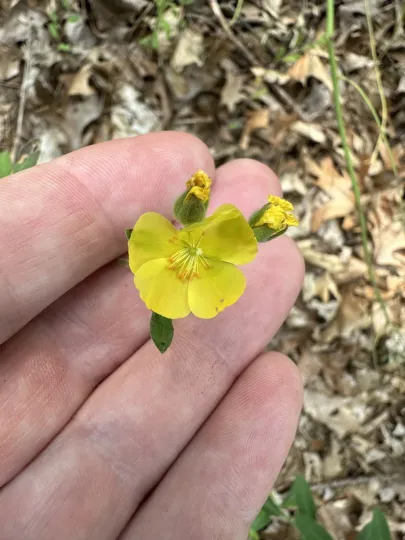
Description
Sowing dates
Sowing of Helianthemum bicknellii in nursery conditions or for landscape planting is primarily carried out in the spring when soil temperatures reach +12...+15°C.
The seeds of this plant are known to have low germination rates, so stratification for 30-60 days at low positive temperatures is recommended to improve outcomes.
Sowing is performed superficially or at a minimal depth, as the seeds require sufficient exposure to light to trigger the germination process.
When using a seedling method, seeds are planted in trays during March, ensuring stable light levels to prevent the seedlings from becoming spindly.
Transplanting young plants to their permanent location occurs after the threat of late spring frosts has passed, once the root system is sufficiently developed.
Growing requirements
Bicknell's hoary rockrose belongs to the Cistaceae family and is a typical xerophytic plant that prefers open, sunny environments.
The crop requires excellent soil drainage; water stagnation in the root zone is detrimental and frequently leads to the development of root rot diseases.
The best growing substrates are poor, sandy, or rocky soils with a neutral or slightly alkaline pH, which mirror the plant's natural prairie habitat.
The plant exhibits high drought tolerance, making it an excellent choice for landscaping dry slopes, rock gardens, and xeriscaped areas in temperate climates.
Within its native climatic range, the plant demonstrates high winter hardiness, surviving significant temperature drops especially when covered by snow.
Main diseases and pests
Excessive soil moisture poses the primary threat to this species, often triggering fungal pathogens that cause the wilting of the aerial plant parts.
Under conditions of high air humidity, powdery mildew may develop on the foliage, requiring prophylactic fungicide treatments to maintain plant vigor.
Among pests, sucking insects such as aphids are the most problematic, as they can damage young shoots and flower buds during the spring growing season.
Choosing an unsuitable planting site with heavy clay soils contributes to root rot, which can lead to the total loss of the plant within a single season.
To maintain healthy plantings, it is recommended to avoid overcrowding and to ensure proper air circulation between individual plants in the group.