
Rough rock-rose
Helianthemum asperum
Description
Growing requirements
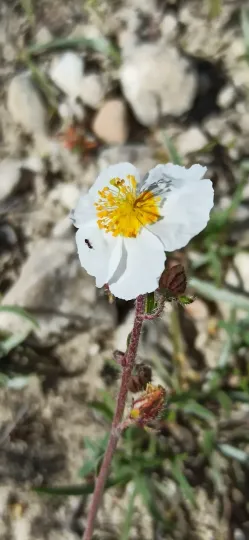
The rough rock-rose (Helianthemum asperum) is a perennial subshrub belonging to the Cistaceae family. It is naturally adapted to rugged environments, typically found in stony, limestone-rich habitats and dry steppes.
Cultivation of this species strictly requires full sun exposure. The plant relies on high solar energy to maintain its compact growth form and to stimulate its prolonged blooming cycle throughout the season.
Soil requirements are quite specific: the medium must be exceptionally well-drained. Sandy, rocky, or gravelly soils are optimal, as they prevent water stagnation which is lethal to the root system of this species.
The plant is categorized as a xerophyte, meaning it is biologically programmed to thrive in arid conditions. Once established, it requires minimal intervention, making it a highly sustainable option for low-maintenance landscapes.
Regarding climate, the plant exhibits good tolerance to heat and wind. However, in regions with extremely harsh, wet winters, protection against excess moisture is essential to prevent tissue damage and winter mortality.
Main diseases and pests
Root rot, often caused by poor drainage or overwatering during the dormant period, is the primary threat to the longevity of the plant. Maintaining a dry root zone is the most effective prevention.
Powdery mildew may occur if the plant is grown in areas with poor air circulation or high relative humidity. This fungal disease impacts both the aesthetic appearance and the vigor of the plant.
Aphids are the most common insect pests that target Helianthemum asperum. These pests congregate on the tender tips of new growth and can significantly stunt the plant's development if left untreated.
Implementation of regular pruning helps in maintaining the plant's structure and removing old, non-productive wood. This practice promotes better airflow, which in turn reduces the likelihood of fungal colonization.
Integrated pest management should be used to monitor for early signs of infestation. Early detection allows for physical removal of affected areas before chemical treatments become necessary.