
Helianthemum almeriense
Helianthemum almeriense
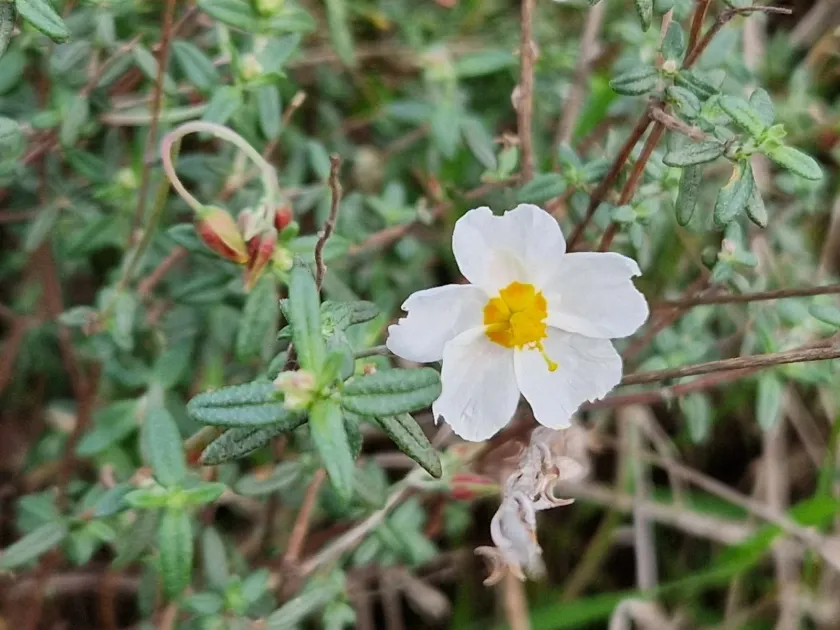
Description
Sowing dates
Sowing Helianthemum almeriense is best performed in early spring when temperatures remain consistently above 15 degrees Celsius. The seeds require a light, well-draining substrate to prevent dampening off during the initial germination phase.
Due to the small size of the seeds, they should be surface-sown and pressed lightly into the growing medium. Maintaining a consistent moisture level is crucial until seedlings are established, after which irrigation should be significantly reduced.
Transplanting into the permanent garden site should occur once the risk of frost has passed in late spring. It is vital to ensure the young plants are hardened off gradually to acclimate them to direct solar exposure.
Spacing the plants roughly 35 centimeters apart is recommended to ensure adequate airflow, which is critical for reducing the incidence of fungal pathogens later in the growth cycle.
In regions with milder climates, autumn sowing can also be successful, allowing for early spring germination and a more robust root system before the onset of the summer heat.
Growing requirements
Helianthemum almeriense is a member of the Cistaceae family, naturally evolved to thrive in the harsh, sun-drenched environments of the Mediterranean region. It is a true xerophyte, perfectly adapted to low-moisture conditions and nutrient-poor soils.
The preferred soil type is alkaline, stony, or sandy loam with excellent drainage characteristics. The plant performs exceptionally well in rock gardens or on slopes where water is naturally diverted away from the crown of the plant.
Exposure to full sunlight is non-negotiable for this species. Any reduction in light levels will result in leggy, spindly stems and a significant decline in the quantity and quality of flower production throughout the season.
Maintenance is straightforward and requires very little human intervention. Light pruning immediately after flowering is the most important cultural practice, as it maintains the compact form of the shrub and encourages future blooms.
Nutrient requirements are minimal; in fact, overly rich soil can negatively impact the plant's health by making it more susceptible to environmental stressors and reducing its characteristic hardiness.
Main diseases and pests
Powdery mildew is the most common fungal threat, particularly in locations where humidity levels are intermittently high or air circulation is insufficient. Fungicidal treatments should be applied at the first sign of foliage discoloration.
Root rot remains the most significant risk associated with poor drainage or overwatering. Once root rot is established, the plant becomes difficult to rescue, making preventative drainage measures essential during the planting phase.
Aphids and spider mites are typical pests that may attack the plant during extended periods of drought. Monitoring the underside of the leaves is a recommended practice to catch early infestations before they spread.
Integrated pest management, including the use of neem oil or insecticidal soaps, is highly effective for Helianthemum species. These treatments are generally safe for the plant and help maintain its aesthetic value.
Regular sanitation of the garden bed, including the removal of dead or decaying plant material, will significantly reduce the likelihood of pest and disease outbreaks during the growing season.