
Helianthemum buschii
Helianthemum buschii
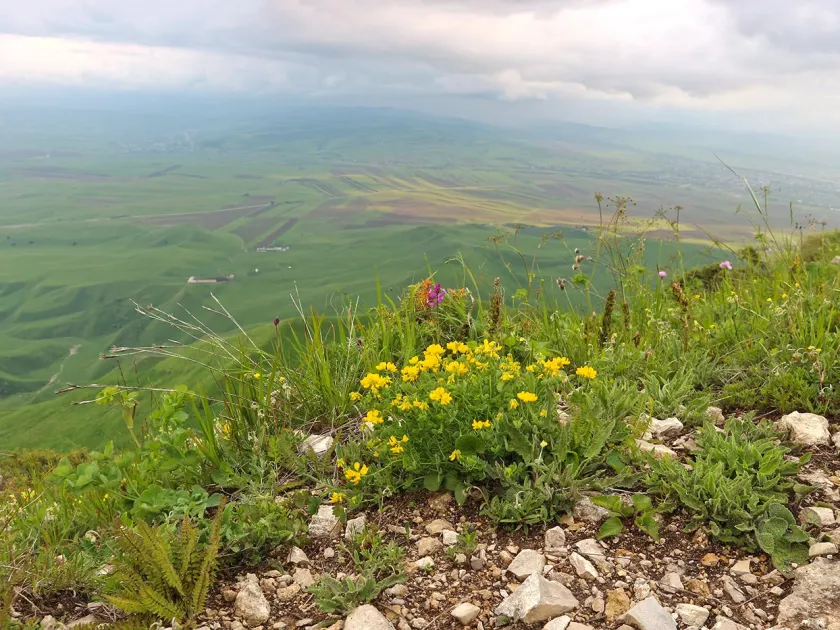
Description
Growing requirements
Helianthemum buschii is a resilient perennial shrub belonging to the Cistaceae family. Known for its adaptability, this species is highly valued in horticulture for its ability to thrive in challenging environments where other plants might struggle.
Native to dry and rocky habitats, this plant requires full sun exposure to reach its maximum aesthetic potential. It is an excellent choice for rock gardens, dry slopes, and xeriscaping projects due to its natural tolerance for intense solar radiation.
The primary requirement for this culture is extremely well-draining soil. It performs best in poor, sandy, or rocky substrates with a neutral to slightly alkaline pH level, mimicking its natural ecological niche.
Watering should be minimal once the plants are established. The root system is sensitive to waterlogging, which makes proper drainage and the prevention of standing water critical for plant longevity.
Maintenance is relatively simple, requiring only occasional pruning after the main flowering period to encourage density and new growth. Proper air circulation is essential to keep the plant healthy and prevent moisture-related issues.
Main diseases and pests
The most common disease affecting Helianthemum buschii is powdery mildew, particularly when humidity levels rise or air circulation is restricted. Affected leaves should be pruned, and improved spacing should be implemented.
Spider mites are the most frequent pests, especially during prolonged heatwaves. They can cause leaves to fade and lose vitality, so monitoring the underside of the foliage for fine webbing is recommended.
Root rot is a major threat caused by overwatering or poor soil structure. If the soil remains saturated for extended periods, the crown and root system will quickly deteriorate, leading to plant death.
Aphids occasionally target new, succulent growth and flower buds during the early spring. These can usually be managed with gentle water sprays or by maintaining the presence of natural beneficial insects in the garden.
Preventative care, such as ensuring sufficient space between plants and avoiding overhead watering, significantly reduces the risk of pest and disease outbreaks throughout the growing season.