
Helianthemum ventosum
Helianthemum ventosum
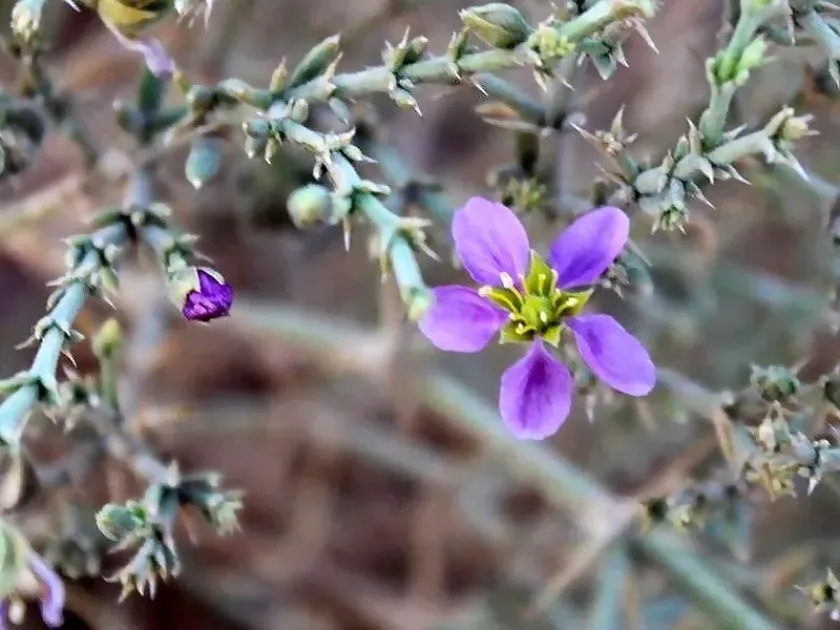
Description
Growing requirements
Helianthemum ventosum is a perennial herbaceous plant belonging to the Cistaceae family. Native to arid and rocky terrains, this species has evolved to thrive in environments where resource availability is limited, making it a highly resilient agricultural and ornamental subject.
Cultivation requires well-drained, lime-rich, or sandy soils. Soil aeration is the most critical factor for successful establishment. If the soil profile is too dense or clay-heavy, physical intervention, such as incorporating gravel or coarse sand, is mandatory to ensure healthy root development.
This species is highly adapted to full solar radiation and high ambient temperatures. It is characterized by its ability to endure prolonged drought, which is facilitated by its deep taproot system and reduced leaf surface area that minimizes evapotranspiration.
Botanically, Helianthemum ventosum exhibits a prostrate or semi-erect growth habit. The foliage is typically small and often silver-green due to fine pubescence, which serves as an adaptation to reflect intense sunlight and reduce water loss from the leaf tissue.
In terms of land use, it is a valuable asset for arid-land reclamation, slope stabilization, and xeriscaping. Its minimal requirements for fertilizers and irrigation make it an ecologically sound choice for low-maintenance landscaping and sustainable horticultural projects.
Main diseases and pests
Helianthemum ventosum generally maintains high vigor, yet it remains susceptible to specific pathogens when exposed to unsuitable moisture levels.
The primary threats include fungal diseases such as powdery mildew and various root rot complexes, which are directly correlated with poor drainage and excessive atmospheric humidity.
Disease management focuses on preventive measures: ensuring optimal spacing between plants to enhance airflow and strictly avoiding over-irrigation during the cooler months of the year.
Insects, particularly spider mites, may become an issue during periods of extreme heat and prolonged dry spells, as these pests thrive in dry conditions.
Effective pest control involves monitoring plant foliage for signs of infestation and applying targeted acaricides only when biological thresholds for damage are exceeded.