
Syrian rock-rose
Helianthemum syriacum
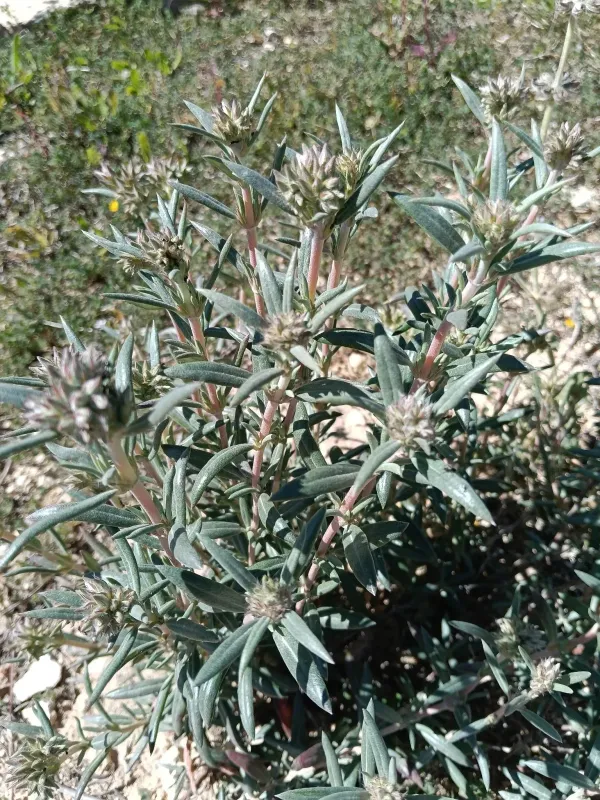
Description
Sowing dates
Sowing of the Syrian rock-rose (Helianthemum syriacum) is typically performed in the spring once soil temperatures have stabilized. Seed stratification is highly recommended to improve germination rates in field conditions.
Seeds should be sown at a shallow depth of approximately 0.5 to 1 cm. Due to the small size of the seeds, meticulous seedbed preparation is essential to prevent burial too deep, which would hinder emergence.
In agricultural production, both direct seeding and seedling transplanting are practiced. The transplanting method allows for better establishment and control over plant spacing in the field.
Recommended row spacing is 30–45 cm to ensure proper air circulation, which is vital for the health of the plants. Spacing must allow for the shrubby growth habit of the mature plant.
Vegetative propagation using semi-hardwood cuttings during mid-summer is a common practice to ensure uniformity in plantations and preserve specific cultivar traits.
Growing requirements
Syrian rock-rose belongs to the Cistaceae family. It is a hardy, semi-shrub species that has evolved in the dry, rocky environments of the Mediterranean and Middle Eastern regions.
The plant thrives in nutrient-poor, well-draining soils. Sandy or rocky substrates are ideal, as the plant is highly sensitive to waterlogged conditions that cause root rot.
It is a true xerophyte, showing remarkable resistance to drought. In established plantations, supplemental irrigation is rarely needed, except during prolonged periods of extreme arid stress.
Full sun exposure is a mandatory requirement for development. Reduced light levels will lead to leggy, weak plants and a significant reduction in the synthesis of beneficial aromatic compounds.
A neutral to slightly alkaline soil pH is preferred. The plant struggles in acidic environments, where nutrient uptake is inefficient and susceptibility to physiological stress increases.
Yield
Economic production of Syrian rock-rose centers on the harvest of aerial biomass for medicinal and aromatic oil extraction. The crop is valued for its specific flavonoid and terpene profile.
Harvesting is timed to coincide with peak flowering, as this is when the concentration of secondary metabolites is at its highest point. Harvesting before or after this phase reduces quality.
Under optimal management, the plantation can remain productive for several years. Sustainable harvest practices ensure the longevity of the shrubs and consistent annual yields.
Apart from medicinal uses, the demand for Syrian rock-rose in ornamental landscaping adds value to the crop. It is highly sought after as a drought-tolerant ground cover.
Yield metrics are heavily influenced by the solar intensity of the growing region. High light availability directly correlates with the quality of the harvested essential oils.
Main diseases and pests
The most significant threat to Syrian rock-rose is excessive moisture, which leads to soil-borne fungal pathogens. Diseases such as root rot and wilt are common in poorly drained fields.
Pests like spider mites can be an issue during particularly hot and dry periods. Biological control measures are preferred to maintain the organic integrity of the medicinal harvest.
Aphid infestations on young, tender growth can weaken the plants. Monitoring early in the season is critical to prevent population spikes that could stunt overall growth.
Weed competition is severe for this crop, particularly in its establishment phase. Manual or mechanical weeding is necessary until the canopy closes to shade out competing vegetation.
Powdery mildew can occur in stagnant, humid microclimates. Ensuring adequate spacing and airflow is the most effective preventative measure against such outbreaks.
Harvesting
Harvesting is performed by cutting the stems 5–10 cm above the ground. This partial harvest encourages the plant to regenerate vigorously during the following growth cycle.
It is essential to harvest during dry, sunny weather. Collected biomass must be transported quickly to a processing site to prevent moisture buildup and degradation of aromatic components.
Drying must take place in a shaded, well-ventilated area. Direct sunlight during the drying process will destroy the volatile oils that give the plant its commercial value.
The harvested material should be cleaned of impurities and woody stems before storage. Quality control at this stage significantly impacts the final value of the product.
Stored product must be kept in sealed, cool, and dark environments to maintain the pharmaceutical and aromatic potency of the dried biomass for up to two years.