
Sulphur Sunrose
Helianthemum sulphureum
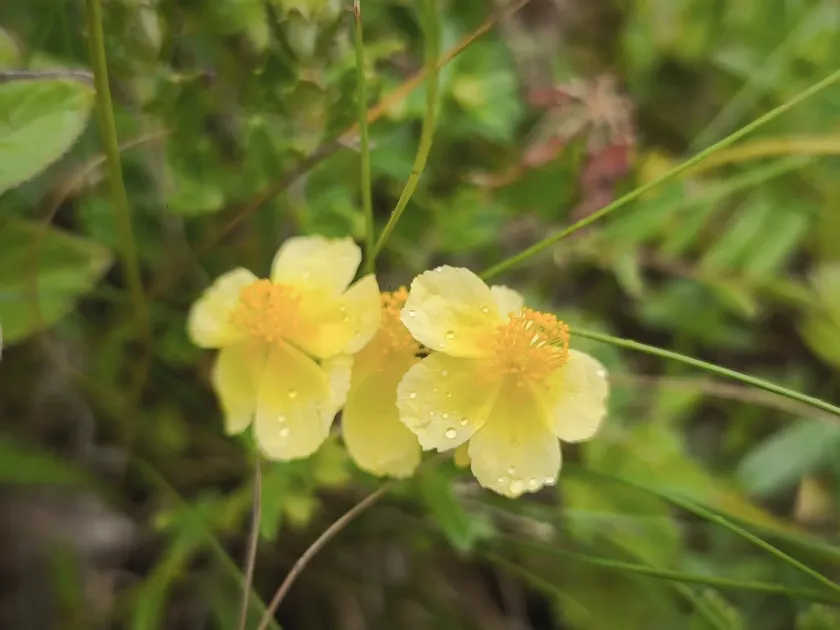
Description
Sowing dates
Sowing of the sulphur sunrose (Helianthemum sulphureum) is best performed in early spring when the soil temperature begins to stabilize above 10 degrees Celsius. This timing ensures that young plants establish deep roots before the intense heat of summer.
Seedlings can be started indoors in late winter, specifically in March, using a well-draining seed-starting mix. Because the seeds are tiny, they should be surface-sown and only lightly pressed into the soil to ensure contact without being buried too deep.
When sowing directly in the garden, the soil must be cleared of perennial weeds. Since the sunrose grows slowly in its first few months, early competition can significantly suppress its development.
Maintaining consistent but light moisture is critical during the germination phase, which usually occurs within two to three weeks. Overwatering at this stage is the most common cause of seed failure.
Once true leaves appear, seedlings should be thinned to ensure adequate spacing, allowing each plant to develop its characteristic mounded habit without overlapping and shading adjacent specimens.
Growing requirements
Helianthemum sulphureum, a member of the Cistaceae family, is a specialized crop for well-drained, sunny environments. It demands full sun exposure to maintain its compact form and to stimulate prolific flowering.
The ideal soil is sandy, gritty, or rocky with excellent drainage. The species is highly sensitive to waterlogged conditions, which can lead to rapid root decay; therefore, planting on slopes or elevated beds is highly recommended.
As a xerophytic plant, it displays remarkable drought tolerance once established. Supplemental irrigation is only necessary during extended heatwaves and the early blooming period, but should always be applied sparingly.
Soil pH should be neutral to slightly alkaline. In acidic garden soils, adding lime is essential to match the plant's native ecological requirements and prevent nutrient deficiencies that manifest as yellowing leaves.
Hardiness is a key feature of this perennial. While it can withstand cold winters, it benefits from a protective layer of evergreen boughs in climates with harsh, freezing winds, especially if snow cover is absent.
Main diseases and pests
Root rot is the most significant threat to the sulphur sunrose, typically triggered by improper drainage or excessive soil moisture. Once root health is compromised, the plant often wilts rapidly and fails to recover.
Powdery mildew is a common fungal issue that arises when plants are grown in stagnant air or locations with high humidity. Proper spacing and airflow are the primary methods for preventing this infection.
Pests such as aphids and spider mites may target the plants during dry, hot weather. These pests cluster on the undersides of leaves, causing stunted growth and loss of the plant's characteristic vibrant foliage color.
Leaf-eating larvae can cause aesthetic damage in spring. Periodic monitoring is advised, and manual removal or the use of organic insecticidal soaps is usually sufficient to manage minor infestations without chemical harm.
Sanitation is crucial in the management of this crop. Removing dead or diseased wood immediately after the flowering season helps maintain the plant's health and ensures better air circulation for the upcoming growth cycle.