
Helianthemum sanguineum
Helianthemum sanguineum
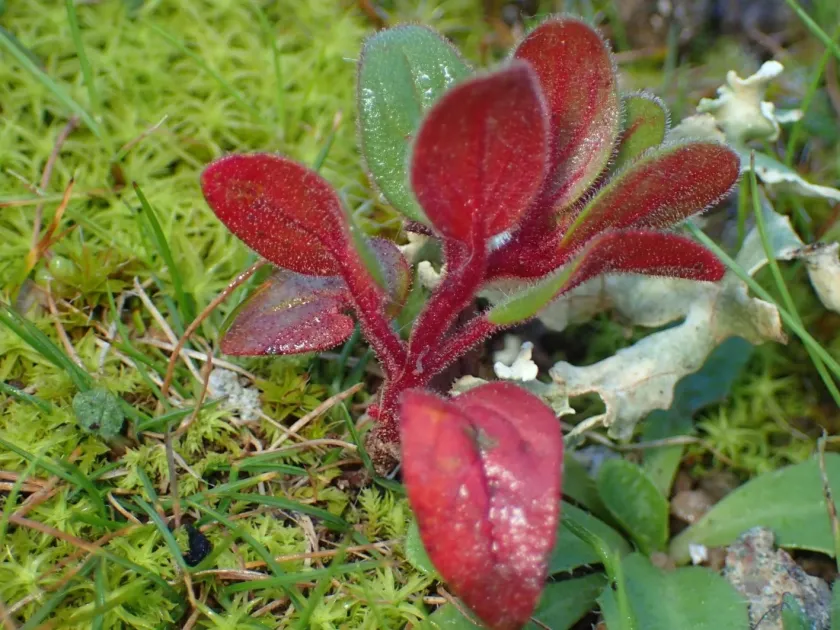
Description
Sowing dates
Helianthemum sanguineum is typically propagated from seeds sown in early spring, ideally under glass to ensure a controlled environment for germination.
If direct sowing in the garden is preferred, late spring is the most suitable time once the risk of frost has completely passed and soil warms up.
Since the seeds are quite fine, they should be barely covered with soil, as they require light and constant moderate moisture to sprout successfully.
Softwood cuttings can also be taken during the summer months, providing a reliable way to maintain the specific characteristics of the parent plant.
Ensure the substrate is well-draining, as the seeds and emerging seedlings are highly sensitive to standing water and fungal pathogens.
Growing requirements
Belonging to the Cistaceae family, Helianthemum sanguineum thrives in full sunlight, which is essential for stimulating the development of its vivid flowers.
It performs best in poor, gritty, or sandy soils that possess a neutral to alkaline pH, mimicking the rocky habitats of its natural Mediterranean range.
The plant is remarkably drought-tolerant once established, making it an excellent choice for areas with low rainfall or xeriscaping projects.
Good soil drainage is the single most important factor for success, as heavy or waterlogged soil will inevitably lead to root decay and plant death.
Regular maintenance pruning after the primary flowering cycle is crucial to prevent the plant from becoming woody and to encourage a dense growth habit.
Yield
This species is primarily utilized in horticultural settings, specifically for rock gardens, stone walls, and as a ground cover on well-drained slopes.
Its ecological value includes stabilizing loose soil on banks and providing an early-season nectar source for various pollinators and beneficial insects.
Although it does not provide traditional agricultural yield, its ornamental productivity is measured by the length and intensity of the blooming season.
The resilience of this plant in harsh conditions makes it a low-input choice for public landscaping and ornamental park development projects.
Effective cultivation promotes strong vegetative cover, which acts as a living mulch, suppressing weeds and protecting the soil surface from erosion.
Main diseases and pests
The most common threat is root rot, which is almost always a result of poor drainage or excessive soil moisture during the dormant season.
Pests such as aphids and spider mites can infest the foliage, particularly in warm, stagnant air conditions, leading to stunted or discolored growth.
Powdery mildew may appear on the leaves if the plants are crowded together, preventing sufficient airflow and creating a humid microclimate.
Proactive management of spacing and site selection significantly reduces the pressure from these biotic and abiotic threats.
- Monitor for signs of pest infestation.
- Apply fungicidal treatments if symptoms arise.
- Ensure adequate ventilation for plantings.
- Avoid over-watering or deep mulching.
Harvesting
Seed harvesting should be performed as the seed pods begin to dry and turn brown, typically during the peak of the summer or early autumn.
Harvesting should be done on a dry day to prevent mold development within the seeds while they are stored for future use.
Clean the harvested material by separating the seeds from chaff and store them in a cool, dark, and dry environment to maintain viability.
For ornamental or herbal uses, stems can be clipped during the blooming season, though this should be done sparingly to maintain the plant's vigor.
By carefully selecting the harvest time, the viability and germination rate of the seeds are maximized for the following planting cycle.