
Helianthemum rupifragum
Helianthemum rupifragum
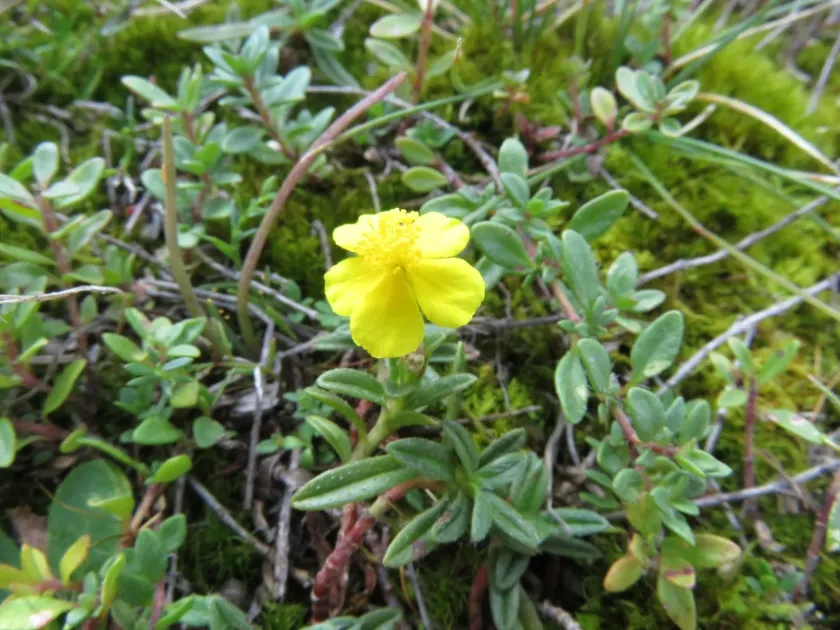
Description
Sowing dates
Sowing Helianthemum rupifragum seeds is best performed in early spring or late autumn. A warm, well-lit environment is essential to encourage germination, as seeds require light to sprout effectively.
Stratification is a recommended pre-sowing treatment. Placing seeds in a cool, moist environment for several weeks mimics natural cycles, significantly improving the germination rate of the crop.
When sowing in containers, use a gritty, well-draining substrate mix. Gently press seeds onto the surface and mist them with water to ensure contact without burying them too deeply.
Seedlings should be hardened off before final transplantation to the garden. This process involves gradually exposing them to outdoor conditions over 7–10 days to build resilience against wind and direct sun.
Maintain a spacing of 30 cm between plants to allow for proper airflow. Proper spacing prevents microclimate humidity build-up, which is crucial for the long-term health of this sun-loving species.
Growing requirements
Belonging to the Cistaceae family, Helianthemum rupifragum thrives in conditions that mimic its natural rocky habitats. It demands full sun exposure to produce prolific blooms and maintain its compact, woody habit.
Soil must be exceptionally well-drained, preferably rocky or sandy. The plant detests heavy moisture-retentive soils, which often lead to immediate root distress and eventual plant failure.
This species is highly drought-tolerant once established. Supplemental irrigation is only necessary during extreme heatwaves or the initial weeks following planting to ensure root development.
Nutritional needs are low. Avoid using nitrogen-rich fertilizers, which encourage excessive foliage growth at the expense of flower production and weaken the plant's natural structural integrity.
Regular maintenance involves pruning back stems by one-third immediately after flowering. This practice stimulates fresh growth and prevents the plant from becoming excessively woody and sparse at the center.
Main diseases and pests
Powdery mildew is the most common fungal threat, especially during seasons with high humidity or poor air circulation. It appears as a white dust on foliage, requiring immediate removal of affected parts.
Root rot, driven by stagnant water, is a critical threat. The primary defense against this is the rigorous use of grit or gravel in the planting site to ensure water moves away from the crown.
Aphids can occasionally infest flower buds. These sap-sucking pests can weaken the plant and reduce blooming intensity, requiring manual removal or the application of insecticidal soaps.
Red spider mites might appear during periods of intense heat and low humidity. Monitoring the underside of leaves is recommended to detect early signs of infestation and prevent extensive damage.
Maintaining a clean garden environment by clearing away debris around the plant base significantly reduces the risk of harborages for both pests and fungal spores during the dormant winter period.