
Helianthemum orientale
Helianthemum orientale
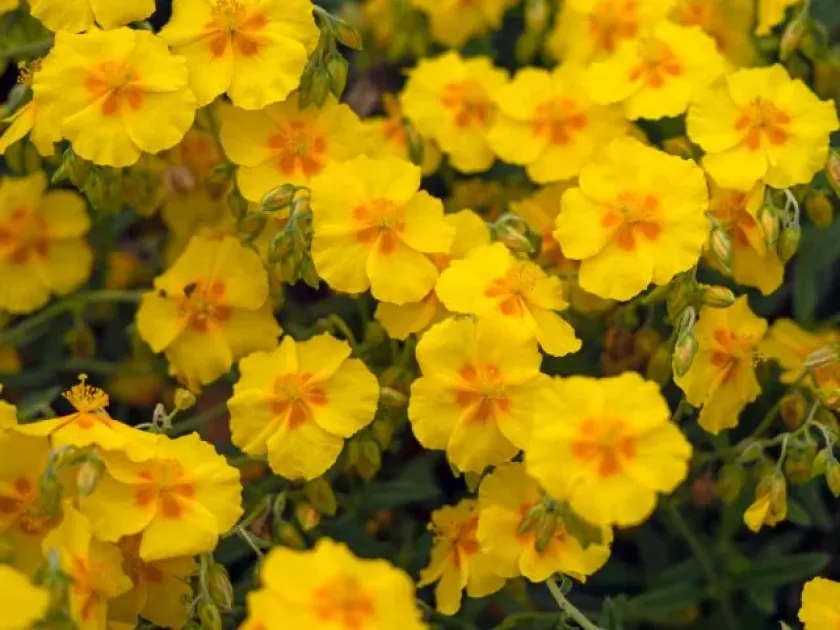
Description
Sowing dates
Helianthemum orientale is best propagated by seeds sown in early spring or through cuttings taken in late summer. Seeds are extremely small and should be scattered over the surface of a prepared seedbed without deep covering.
For optimal germination, maintaining a stable temperature between 15 and 20 degrees Celsius is recommended. The substrate must remain lightly moist but never waterlogged to ensure the delicate seedlings thrive.
When starting indoors, using sterile seedling mix helps prevent damping-off disease. Once the seedlings reach a height of 5 centimeters, they should be hardened off before being transplanted into their permanent garden location.
Vegetative propagation via softwood cuttings is a preferred method to maintain the specific traits of the cultivar. Cuttings should be treated with rooting hormone and kept under a propagation frame for 3 to 4 weeks until roots establish.
Proper spacing is crucial for long-term health; plants should be set approximately 30 to 45 centimeters apart to allow for adequate air circulation as the mound-forming shrubs expand.
Growing requirements
Helianthemum orientale, a member of the Cistaceae family, is a drought-tolerant perennial adapted to rocky outcrops and dry habitats. It is a quintessential plant for rock gardens, dry stone walls, and xeriscaping.
Full sun is an absolute requirement for this species. Even minimal shade will cause the plant to become "leggy," lose its dense, prostrate form, and produce significantly fewer blooms during the peak season.
The soil must be well-drained, lean, and preferably alkaline. In heavy or compacted soils, adding grit, coarse sand, or gravel is essential to prevent root rot, which is the most frequent cause of plant failure in garden settings.
Once established, the plant is highly resistant to drought. Its foliage features fine hairs that help reflect sunlight and retain moisture, making it an ideal choice for low-maintenance landscapes in arid regions.
Nutrient requirements are low; excessive fertilization should be avoided. A light application of a balanced, slow-release granular fertilizer in early spring is sufficient to support annual flowering and vegetative growth.
Main diseases and pests
The most significant threat to Helianthemum orientale is excess soil moisture, especially during the dormant winter months. Poor drainage inevitably leads to rot, which can destroy the root system very quickly.
Powdery mildew may occur if the plants are situated in areas with poor airflow or high humidity. Promoting good drainage and spacing the plants to allow for air movement is the most effective preventative measure.
Pests such as aphids and spider mites can occasionally affect the plant during prolonged dry spells. These pests usually target young shoots and buds, causing stunted growth and distorted, yellowing leaves.
Leaf spot diseases are less common but can appear if the foliage stays wet for extended periods. Removing infected leaves and applying a suitable fungicide can manage these issues before they spread to the entire plant.
Post-flowering maintenance is vital for plant longevity. Trimming back the stems by about one-third after the main flush of flowers helps to rejuvenate the plant, preventing it from becoming woody and sparse over time.