
Oeland rock-rose
Helianthemum oelandicum
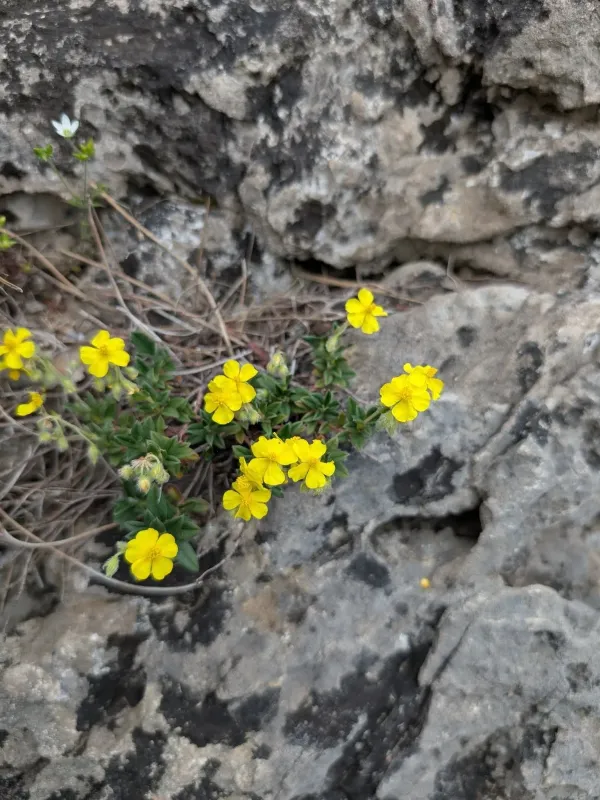
Description
Growing requirements
The Oeland rock-rose, scientifically known as Helianthemum oelandicum, is a compact subshrub belonging to the Cistaceae family. It is typically found in habitats characterized by thin, calcareous soils and high exposure to environmental elements.
The plant requires well-drained, porous soil conditions to thrive. In a garden setting, it is essential to cultivate this species in rocky or sandy substrates to mimic its natural limestone-based environment and prevent waterlogging.
Sunlight is a critical requirement for this species. It demands full sun exposure throughout the day to ensure structural integrity and the development of its signature vibrant flowers, which only open under bright light conditions.
This species is highly adapted to arid conditions and requires minimal supplemental irrigation once established. Its succulent-like foliage characteristics allow it to store moisture, making it an excellent candidate for xeriscaping.
Soil pH should ideally be neutral to slightly alkaline. Acidic soils are generally unsuitable for this species, as they can inhibit nutrient uptake and lead to poor vigor and stunted vegetative growth.
Main diseases and pests
Root rot is the most significant threat to the Oeland rock-rose. It is primarily caused by poor drainage and excessive winter moisture, which creates a habitat for pathogenic soil fungi.
Powdery mildew can manifest during periods of high humidity and poor air circulation. Ensuring adequate spacing between individual plants is a key management strategy to mitigate this fungal issue.
Aphids often target the tender shoots and buds during the spring growth phase. While generally not lethal, heavy infestations can significantly reduce the ornamental value of the plant during its peak flowering season.
Spider mites can be a persistent pest in hot, dry conditions, causing leaves to yellow and lose their vitality. Regular monitoring and, if necessary, the application of horticultural oils help manage mite populations.
Environmental stress, such as extreme late-spring frosts followed by high humidity, can cause tissue damage that makes the plant more susceptible to opportunistic bacterial or fungal infections.