
Helianthemum marifolium
Helianthemum marifolium
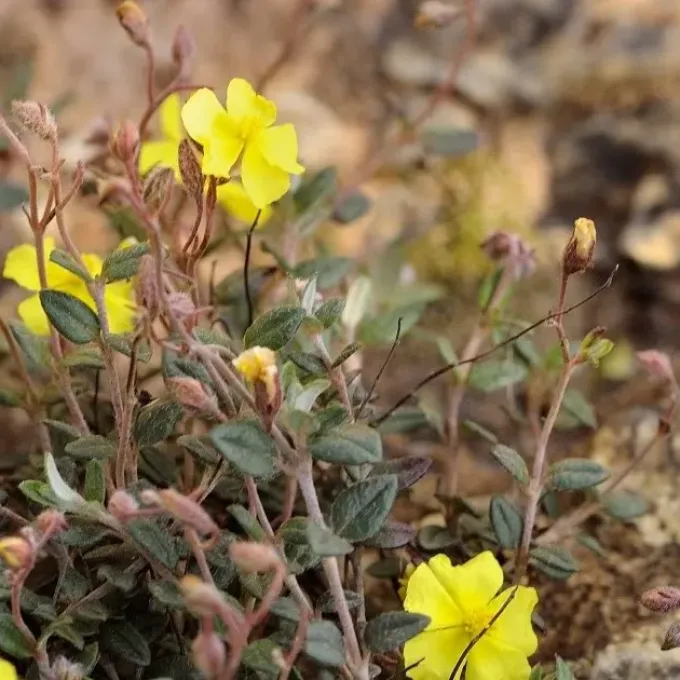
Description
Growing requirements
Helianthemum marifolium is a perennial subshrub belonging to the Cistaceae family. Native to the Mediterranean basin, this species is well-adapted to rocky habitats, arid slopes, and open, sun-exposed environments where it thrives as a drought-tolerant ground cover.
The botanical profile of this plant includes woody stems and small, often pubescent leaves that minimize water loss. Its ability to bloom with vibrant flowers makes it a valuable asset in xeriscaping, as it requires very little maintenance once established in the appropriate location.
The primary requirement for successful cultivation is full sun exposure throughout the day. The species is sensitive to poor drainage, making the selection of a site with sandy, rocky, or well-aerated soil essential for the long-term survival and vigor of the shrubs.
Soil pH should ideally be neutral or slightly alkaline. The plant does not require high levels of nutrients; in fact, overly rich soil often causes the plant to become "leggy" and less compact, which negatively impacts its overall ornamental value and resilience to frost.
Agrotechnical care is relatively simple, focusing on minimal irrigation during the establishment phase and post-flowering pruning. Pruning is vital to maintain a dense habit and can encourage a secondary flush of flowers, ensuring a prolonged visual interest during the growing season.
Main diseases and pests
The most significant threat to Helianthemum marifolium is root rot caused by stagnant water in the soil. Growers must ensure that the planting area is raised or amended with gravel and grit to facilitate quick drainage, especially during winter months when excessive moisture is lethal.
Powdery mildew represents a frequent pathological threat if the plants are situated in areas with low air circulation or high humidity. Maintaining proper spacing and removing debris around the base of the plant significantly reduces the risk of fungal outbreaks.
Spider mites are common pests that thrive in hot, dry weather, which perfectly matches the plant's natural environment. Regular monitoring of the foliage is necessary, and if an infestation is detected, treatment with acaricides should be applied promptly to prevent leaf drop.
Aphids can occasionally colonize new growth, causing curling and stunted development. While usually minor, significant aphid populations should be managed using mild insecticidal soaps to avoid disrupting the balance of local pollinators that are attracted to the plant's flowers.
Finally, winter desiccation and the potential for "wet feet" during spring thaw are primary risks in colder climates. Protective covers or strategic site selection to avoid puddling are the most effective agronomical strategies to mitigate these specific threats to the plant's health.