
Moon-leaved rock-rose
Helianthemum lunulatum
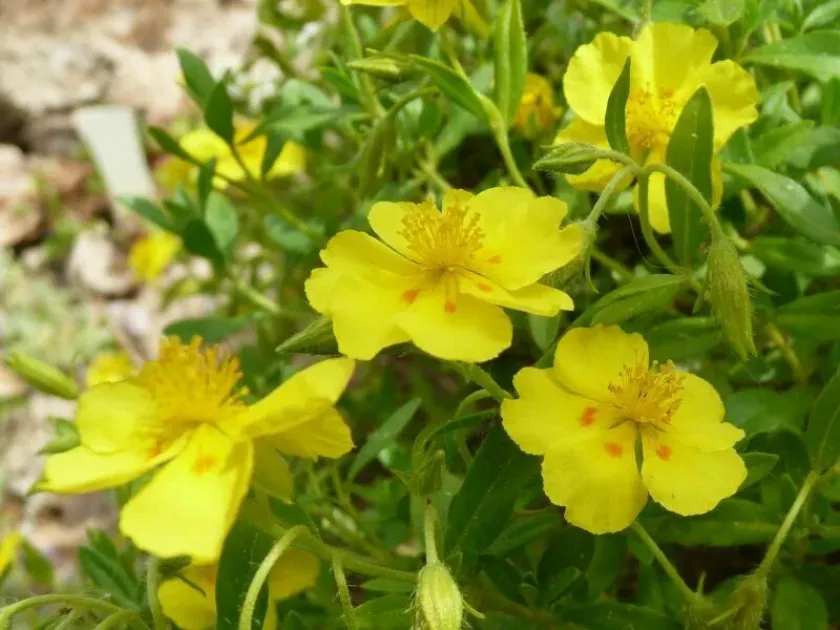
Description
Sowing dates
Sowing seeds of Helianthemum lunulatum is typically performed in late winter or early spring using specialized trays under protected conditions.
Seeds require a period of cold stratification to break dormancy, mimicking the natural winter conditions to ensure uniform germination rates.
Transplanting young seedlings into the garden should only take place after the last spring frost has passed to prevent damage to tender tissues.
Planting density is crucial; a spacing of 30 to 40 centimeters is recommended to facilitate proper air circulation between mature specimens.
Professional growers also employ stem cuttings in early summer to propagate desirable clones, ensuring high consistency in plant characteristics.
Growing requirements
Helianthemum lunulatum belongs to the Cistaceae family and is recognized as a hardy, low-growing subshrub originating from rocky regions.
This species demands full sun exposure, which is necessary to maintain compact growth habits and encourage a profuse, vibrant blooming period.
Soil composition must provide excellent drainage, as moisture accumulation around the roots is the primary factor limiting the lifespan of this plant.
Ideal soil conditions include gravelly, rocky, or sandy substrates with neutral to alkaline pH levels, mimicking its native habitat requirements.
Once established, the plant exhibits remarkable drought tolerance, though supplemental irrigation is beneficial during severe summer dry spells.
Main diseases and pests
The primary threat to this crop is waterlogging, which rapidly leads to root rot and systemic collapse of the plant's vascular structure.
Powdery mildew represents a common fungal pathogen, especially in gardens with poor ventilation or during seasons with high humidity levels.
Insect pests such as aphids and spider mites may infest the plant during hot, dry weather, potentially damaging new growth and flowers.
Integrated pest management, including regular sanitation and pruning of dead wood, is recommended to prevent disease cycles from establishing.
Avoiding excessive fertilization is critical, as high nitrogen levels encourage succulent growth that is more susceptible to both pests and fungal diseases.