
Hairy rockrose
Helianthemum ledifolium
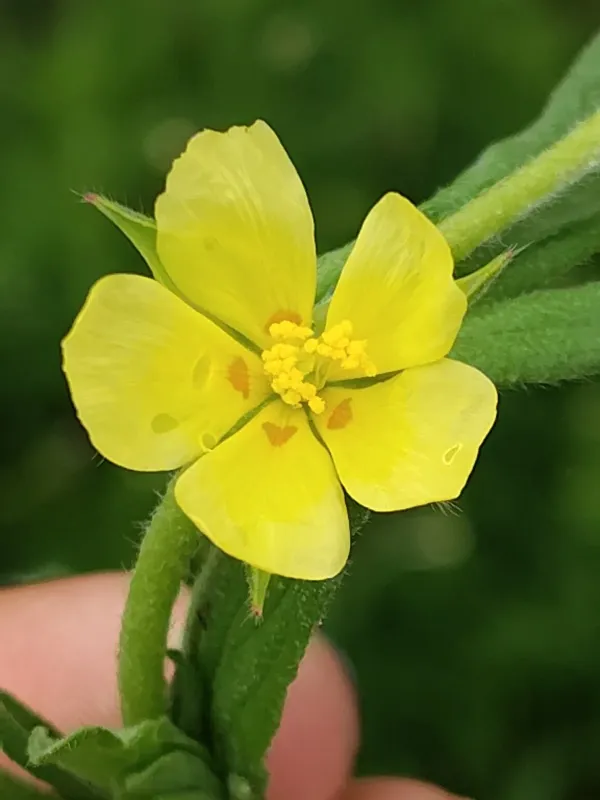
Description
Sowing dates
Helianthemum ledifolium, belonging to the Cistaceae family, is an annual herbaceous plant requiring specific sowing conditions. Seeds should be sown in early spring, once the soil temperature is consistently above 10-12 degrees Celsius to ensure uniform germination.
Due to the small size of the seeds, they should be planted at a shallow depth of 1-2 centimeters. Achieving proper seed-to-soil contact is essential for maintaining moisture levels necessary for successful seedling emergence.
Row planting with approximately 30 centimeters between rows is recommended to facilitate proper light penetration and airflow, which are crucial for the healthy development of this light-loving plant.
In regions with milder winters, late autumn sowing may be viable, leveraging seasonal moisture to boost root system development before the onset of the heat-intensive growing phase.
Post-emergence thinning is necessary to ensure each plant has enough space, typically 15-20 centimeters apart, preventing overcrowding that could lead to poor biomass development.
Growing requirements
The hairy rockrose thrives in well-drained, light, and sandy or rocky soils. It is highly intolerant of waterlogged conditions, which can quickly lead to root rot and total crop failure.
This crop is exceptionally drought-tolerant and performs well in arid environments, making it suitable for areas where irrigation resources are limited. It prefers full sun exposure to maintain its metabolic health.
The plant performs best in neutral to slightly alkaline soil conditions. Maintaining the appropriate soil structure is more important than heavy fertilization, although moderate potassium inputs during the budding stage can enhance resilience.
Excessive humidity in the air is also a factor to consider; well-ventilated areas are preferred to prevent the accumulation of moisture on the foliage, which could invite fungal issues.
Given its botanical adaptations, the crop requires minimal intervention, showing high resilience to extreme temperature fluctuations characteristic of its native Mediterranean-like habitats.
Yield
The economic value of Helianthemum ledifolium lies in its biomass, which contains secondary metabolites often utilized in traditional and herbal applications. Harvesting focuses on collecting the aerial parts of the plant.
Maximizing yield depends on harvesting at the peak of the flowering stage, where the chemical profile of the plant reaches its optimum for extraction or drying.
Efficiency in harvesting is critical, as the small size of the plant can make manual collection labor-intensive. Using specialized cutting equipment can significantly improve production rates.
Proper post-harvest management, including rapid drying and controlled storage temperatures, is essential to prevent the degradation of valuable phytochemical compounds.
Potential yields are influenced by the planting density and the success of weed management programs, as this plant does not compete well with vigorous invasive grasses.
Main diseases and pests
Fungal pathogens represent the most significant threat to the crop, particularly root rot, which is often exacerbated by poor drainage or excessive irrigation practices.
Insect pests, such as spider mites, can damage the foliage during prolonged hot and dry spells, leading to reduced vigor and diminished quality of the herbal material.
Effective management involves preventive measures like crop rotation and maintaining clean fields to avoid the buildup of pest populations and soil-borne pathogens.
Biological controls are preferred over synthetic pesticides, as the crop is intended for uses where residues must be strictly managed or entirely avoided.
Regular scouting of the fields is essential to detect early signs of stress or infestation, allowing for targeted intervention before the problem spreads across the plantation.
Harvesting
The harvesting window for hairy rockrose is short, coinciding with the peak bloom period. Planning the workforce or machinery deployment in advance is critical for timely collection.
The plants are harvested by cutting the stems above the base, ensuring that the roots remain undisturbed. Immediate cleaning is required to remove soil and debris that could compromise quality.
Drying must occur in shaded, well-ventilated environments to avoid sun-induced photo-degradation of active substances within the harvested biomass.
Storage should take place in dry, cool conditions using breathable containers to prevent moisture accumulation and the risk of mold growth during storage.
Proper documentation and grading after harvest ensure that the product meets market standards for quality, purity, and consistency in its chemical composition.