
Hymettus rockrose
Helianthemum hymettium
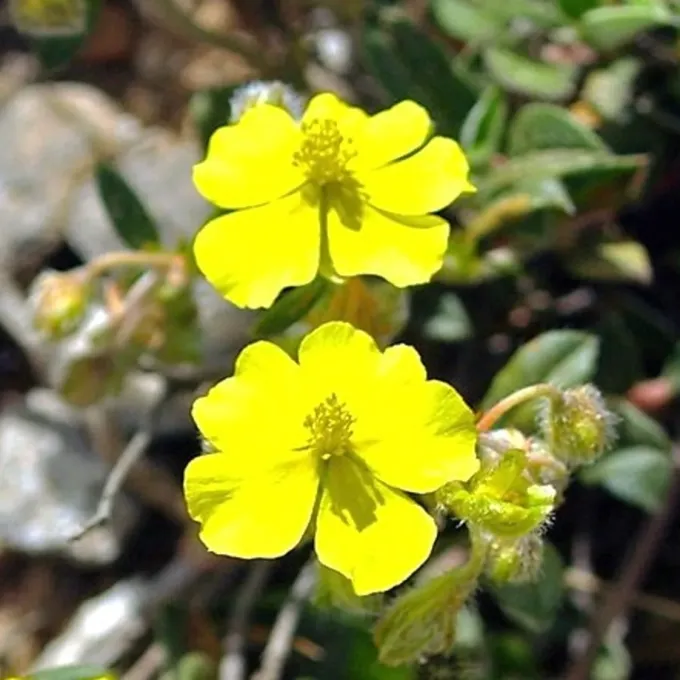
Description
Sowing dates
The seeds of Helianthemum hymettium are best sown in early spring when temperatures remain consistently above 15 degrees Celsius. A lightweight, well-draining sandy substrate is essential for seed germination to prevent rotting of delicate embryos.
Light is a critical factor for the successful germination of this species. Seeds should be surface-sown and only lightly dusted with fine sand or perlite, ensuring they remain exposed to sunlight throughout the starting process.
Once seedlings have developed two sets of true leaves, they should be carefully transplanted into individual pots. This transition period helps build a robust root system before the plants are introduced to their permanent outdoor locations.
Outdoor planting is recommended in late spring, once the threat of frost has passed. Spacing between individual specimens should be approximately 30 to 40 centimeters to allow for optimal airflow and natural growth development.
For gardeners looking to replicate specific traits, propagation via stem cuttings in mid-summer is highly effective. Cuttings should be placed in a humid, shaded greenhouse environment until roots are established, which usually takes several weeks.
Growing requirements
Helianthemum hymettium is a member of the Cistaceae family and is recognized as a hardy, drought-tolerant subshrub. It thrives in environments that mimic its natural rocky, Mediterranean-like habitats where sun exposure is abundant.
The primary requirement for this plant is full, direct sunlight. Without at least six to eight hours of sun per day, the plant will become leggy, lose its compact structure, and show a significant reduction in flowering capacity.
Soil composition should lean towards alkalinity or neutrality, with an emphasis on excellent drainage. Adding gravel or crushed stone to the planting hole is a standard practice to prevent moisture buildup around the root collar.
This species is well-adapted to poor, rocky soils and does not require frequent fertilization. In fact, excessive nitrogen levels can lead to rapid, weak growth that makes the plant more susceptible to diseases and breakage.
In terms of temperature, the plant is relatively hardy but benefits from protection during extreme winter frosts. In cold climates, a light layer of winter mulch, such as dry leaves or pine boughs, can prevent winter kill and desiccation.
Main diseases and pests
Root rot caused by Phytophthora or Pythium species is the most common threat, usually triggered by poor drainage or overwatering. Maintaining a dry environment at the base of the plant is the best defensive strategy against these pathogens.
Powdery mildew can affect the foliage during periods of high humidity and stagnant air. Proper plant spacing is essential to ensure adequate airflow, which naturally suppresses the development of fungal spores on the leaves.
Aphids can occasionally cluster on the flower buds during the spring growth flush. If infestation levels are low, manual removal or a gentle spray of water is often sufficient to control the population without resorting to chemicals.
Spider mites are a common concern in hot, arid summer conditions. Regular inspection of the undersides of the leaves can help identify an early infestation, allowing for prompt treatment with insecticidal soaps or horticultural oils.
To ensure long-term health, growers should practice regular sanitation by removing dead wood and spent flowers. This not only improves the aesthetic appearance but also eliminates potential hiding spots for pests and fungal development.