
Hairy rock-rose
Helianthemum hirtum
Description
Growing requirements
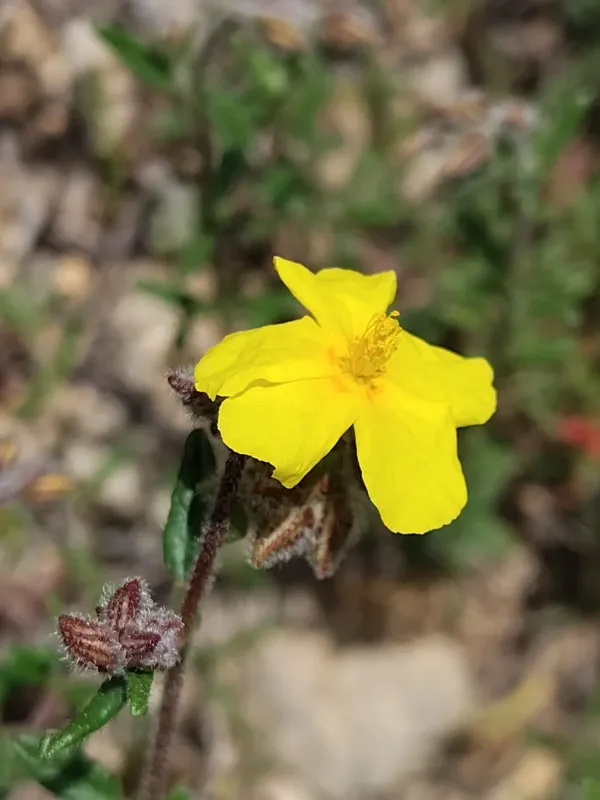
Hairy rock-rose (Helianthemum hirtum) is a member of the Cistaceae family. This perennial subshrub is native to Mediterranean regions, thriving in xerophytic conditions and limestone-rich soils.
The plant is characterized by its high tolerance to environmental stress, particularly drought. It requires full sunlight exposure to maintain healthy vegetative growth and to produce an abundance of flowers during the summer season.
Soil requirements are centered on excellent drainage. It is imperative to avoid heavy clay or compacted soils that hold moisture, as this leads to root suffocation and eventual death of the plant population.
Climate adaptation involves a preference for temperate to warm climates. It demonstrates remarkable physiological mechanisms to conserve water, making it a suitable candidate for xeriscaping or agricultural use in dry zones.
Cultivation practices include minimal fertilization, as the species is adapted to nutrient-poor soils. Light pruning after flowering is recommended to encourage bushier growth and rejuvenate the plant for the following season.
Main diseases and pests
Fungal pathogens associated with moisture excess are the primary threats to Helianthemum hirtum. Root rot is the most common condition leading to yield reduction in commercial stands.
Pests such as spider mites and various aphids can infest the foliage, particularly under conditions of high temperature combined with lack of ventilation or excessive dry stress.
To mitigate these threats, it is crucial to ensure proper plant spacing, which facilitates adequate airflow and lowers the humidity levels within the canopy of the plants.
Monitoring the field for signs of chlorosis or leaf curling is a standard management practice to detect and address pest or disease outbreaks before they reach critical levels.
Integrated pest management strategies focusing on physical and biological controls are preferred to maintain the health and vitality of the Hairy rock-rose crop over several seasons.