
Saffron sunrose
Helianthemum croceum
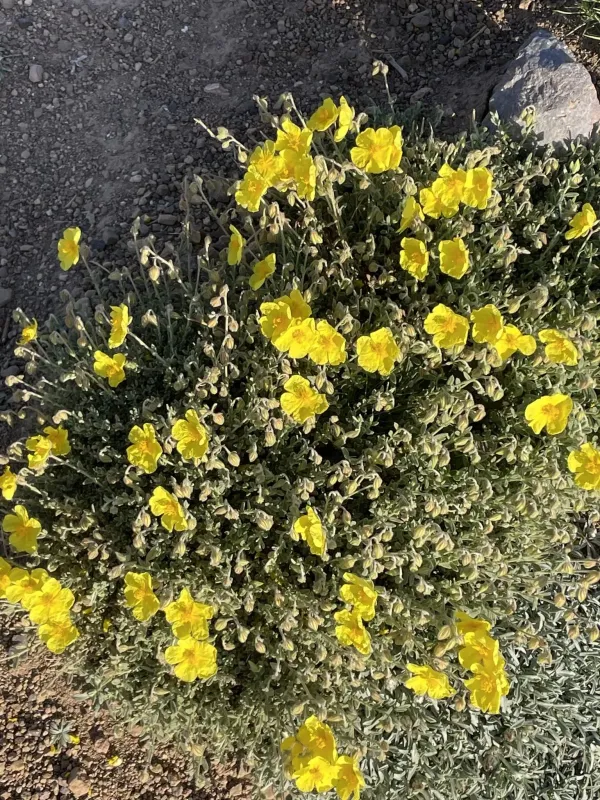
Description
Sowing dates
Sowing seeds of Helianthemum croceum is best done in early spring, once the soil has warmed sufficiently to support germination and root development.
For gardeners looking to get a head start, indoor sowing in seed trays during late winter is an effective method to ensure uniform seedling growth.
Seeds require a short period of cold stratification to break dormancy, ensuring a higher percentage of successful germination across the entire batch.
When sowing, cover the seeds with only a very thin layer of substrate as they require exposure to light for optimal germination results.
Proper spacing is essential when transplanting; maintaining a distance of at least 30 centimeters helps prevent overcrowding and fungal issues.
Growing requirements
The saffron sunrose is a member of the Cistaceae family, known for its resilience and ability to thrive in poor, rocky soil conditions.
This plant demands full sun exposure throughout the day, as insufficient light will result in weak, leggy growth and significantly reduced blooming.
Well-draining, slightly alkaline, or calcareous soil is ideal, as the plant is highly susceptible to root rot if water remains stagnant for too long.
Once established, the sunrose exhibits impressive drought tolerance, making it an excellent candidate for xeriscaping or Mediterranean-style gardens.
Botanically, it is classified as a subshrub with woody stems and foliage that often retains a silvery hue, providing beauty even when not in flower.
Main diseases and pests
Root rot is the primary threat to this species, usually caused by poor soil drainage or excessive irrigation during the colder dormant months.
Powdery mildew can infect the leaves in humid climates, particularly if there is insufficient airflow around the plant structure during the summer.
Aphids may occasionally target the flower buds, which can hinder the plant's aesthetic appeal if left unchecked for an extended period.
Slugs and snails are known to feed on the tender young foliage in the spring, which can stress the plant and slow its seasonal growth cycle.
- Maintain excellent drainage using gravel or grit in the planting hole.
- Prune back stems after flowering to encourage dense, healthy growth.
- Monitor for pests early in the season to prevent significant infestations.