
Helianthemum cretophilum
Helianthemum cretophilum
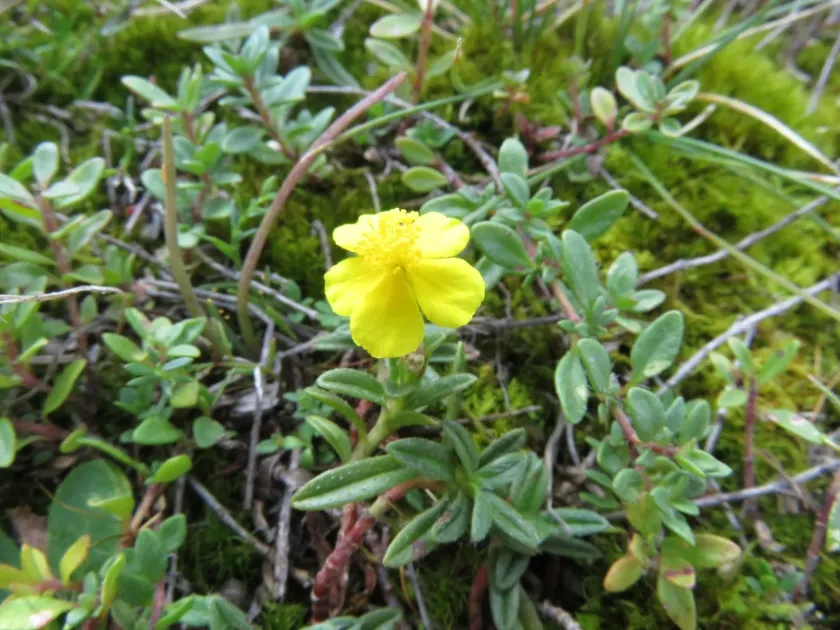
Description
Growing requirements
Helianthemum cretophilum, known as the chalk-loving rock rose, is a perennial subshrub belonging to the Cistaceae family. This species is uniquely specialized to survive in extreme habitats characterized by chalk outcrops, making it a distinct botanical and horticultural subject.
The native range of this plant is primarily restricted to specific chalk ecosystems in Eastern Europe. These areas are defined by their low-nutrient, high-calcium, and alkaline substrate, to which the plant has adapted through millions of years of evolutionary processes.
To cultivate this species successfully, one must replicate its natural habitat conditions. The most critical requirement is intense solar exposure; the plant requires full sun to thrive and maintain its dense, cushion-like growth habit, which is essential for its ornamental value.
Soil requirements are non-negotiable: the substrate must be highly alkaline, extremely well-drained, and contain a significant proportion of crushed limestone or chalk. Poor drainage leads to rapid root physiological collapse, as the plant is not adapted to stagnant moisture.
Cultural management should focus on limiting human interference. The plant thrives on neglect regarding fertilization; in fact, over-fertilizing with nitrogenous compounds can cause excessive succulent growth, making the plant susceptible to frost damage and pathogens.
Main diseases and pests
Powdery mildew represents the primary fungal pathogen for this species, especially during seasons with high atmospheric humidity. Maintaining good airflow around the plant is the most effective preventative measure against this fungal disease.
Root rot, particularly Phytophthora species, is common in soils with poor structural stability or excess water retention. Once the roots are compromised by rot, the plant is usually irreparable, emphasizing the need for preventative drainage design.
Pest pressure mainly comes from mites and aphids, which capitalize on any physiological stress the plant might experience. Monitoring for these pests is essential, especially during the peak summer heat when the plant's metabolic activity is at its highest.
Invasive weed species pose a significant threat by competing for limited light and space within the rocky environment. Hand-weeding is highly recommended, as mechanical tillage can damage the shallow, sensitive root system of the rock rose.
Grey mold (Botrytis cinerea) can occur if dead foliage is not removed during the autumn cleaning. Maintaining plant hygiene by clearing away plant debris around the base of the subshrub significantly reduces the incidence of this persistent pathogen.