
Grey rock-rose
Helianthemum cinereum
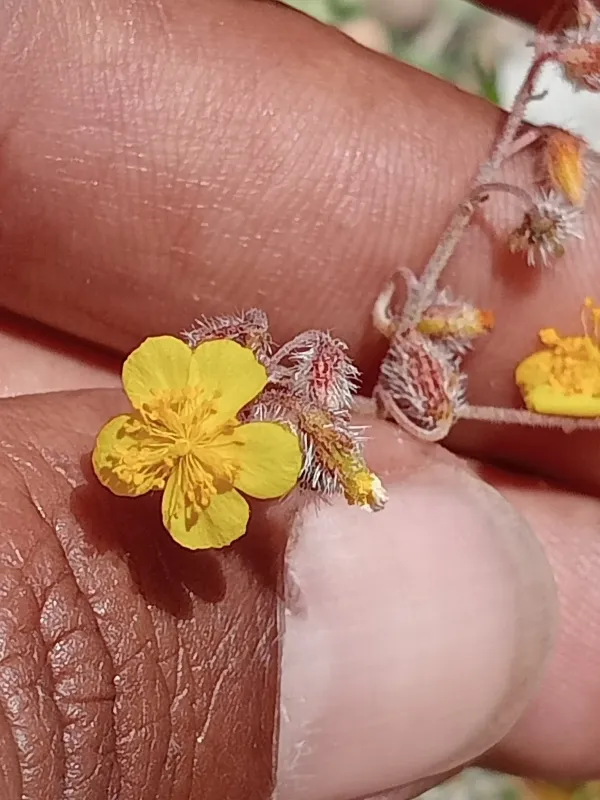
Description
Sowing dates
Sowing of Helianthemum cinereum seeds is typically carried out in early spring to allow the plants to establish a robust root system before the onset of summer heat.
The seeds benefit from a period of cold stratification, which significantly improves germination rates by breaking dormancy and ensuring more uniform emergence.
For greenhouse cultivation, seeds should be sown in a well-draining, sterile peat-free compost, keeping the surface lightly covered with fine grit or sand.
Once the seedlings are large enough to handle, they should be transplanted into individual pots to avoid competition and promote the development of a strong taproot.
Direct sowing in the garden is possible in mild climates, provided the soil is friable and the seed bed is kept free of competing weed species during germination.
Growing requirements
As a member of the Cistaceae family, the grey rock-rose is a perennial subshrub native to regions with Mediterranean-like climates and poor, stony soils.
The plant thrives in full sun and requires exceptionally well-drained, alkaline to neutral soil; waterlogged conditions are fatal to its root system.
It is perfectly adapted to dry, sunny slopes and rock gardens where it forms dense, low-growing mats of evergreen foliage that remain attractive throughout the year.
Minimal fertilization is required, as excessive nutrients lead to soft, leggy growth that reduces the plant's natural resistance to environmental stress and cold.
Pruning is essential after flowering; cutting back the stems by a third encourages bushier growth and prepares the plant for the following season's floral display.
Main diseases and pests
The most common cause of failure in cultivating Helianthemum cinereum is excessive moisture, which leads to root rot and collar rot, especially in heavy soils.
Poor ventilation and high humidity levels can predispose the plants to fungal infections such as powdery mildew, necessitating improved spacing and drainage.
Pests like aphids can occasionally infest the growing tips, particularly during the early spring flush, causing leaf curling and stunted development.
Implementing a preventive integrated pest management strategy, including the removal of debris, helps maintain a healthy environment for these resilient perennials.
In cases of severe infestation, specialized systemic insecticides or horticultural oils may be used, although natural predators are often sufficient to control minor outbreaks.