
Green-bract ginger lily
Hedychium viridibracteatum
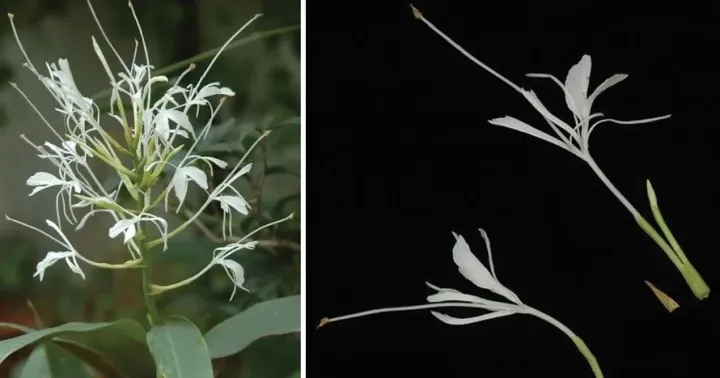
Description
Growing requirements
The green-bract ginger lily (Hedychium viridibracteatum) belongs to the Zingiberaceae family. This perennial rhizomatous species is native to the humid forests of Southeast Asia, where it thrives in shaded and moist microclimates.
To cultivate this plant successfully, one must provide high humidity and consistent warm temperatures, ideally between 20°C and 28°C. Being a tropical plant, it cannot withstand freezing temperatures or prolonged exposure to cold drafts.
The soil should be rich in organic matter, well-draining, and slightly acidic. A mixture of peat, perlite, and garden soil provides the necessary aeration to prevent root rot, which is a common issue in indoor or greenhouse cultivation.
Light requirements are centered on bright but filtered sunlight. Exposure to harsh, direct midday sun will scorch the large foliage, so placing the plant in a location with dappled light or afternoon shade is highly recommended.
In terms of usage, it is primarily grown as an ornamental plant in botanical collections, conservatories, and specialized gardens. The green-bract morphology offers a unique texture that stands out among more traditional flowering ginger species.
Main diseases and pests
Common pests associated with this species include spider mites and mealybugs. These pests are particularly active during periods of low humidity, making frequent monitoring of the leaf undersides essential for prevention.
Root rot caused by Pythium and other oomycetes represents the most significant threat to plant health. This usually occurs when the soil remains waterlogged for extended periods, especially in low-light, cool conditions.
Fungal leaf spot diseases can emerge if the environment has poor air circulation. These spots can rapidly spread across the foliage, reducing the plant's ability to photosynthesize effectively and damaging its visual appeal.
Effective management requires a balanced approach using integrated pest management techniques, including regular cleaning of the foliage and maintaining proper environmental parameters to stress the plant as little as possible.
Regular inspection of the rhizomes during division or repotting is advised to ensure no rot or insect colonies are hidden within the root mass, ensuring the long-term vitality of the specimen.