
Hedychium densiflorum
Hedychium densiflorum
Description
Growing requirements
Hedychium densiflorum is a perennial herbaceous plant belonging to the Zingiberaceae family. Naturally occurring in the mountain regions of the Himalayas, including India, Nepal, and Bhutan, this species is well-adapted to cool climates with high humidity levels.
The plant features a robust, branching rhizome system from which erect stems emerge, typically reaching heights of 50 to 120 centimeters. Its foliage consists of lanceolate, deep green leaves that wrap tightly around the stem, providing a dense and attractive ornamental structure.
For optimal growth, the crop requires fertile, loose, and well-drained soils with a neutral to slightly acidic pH. It performs best in locations with filtered sunlight or partial shade, as intense midday direct sun can cause scorch damage to the leaves.
The culture has strict requirements regarding soil and atmospheric moisture. During the active growing season, consistent watering is essential without allowing water to stagnate around the roots. In drier regions, regular misting is recommended to maintain the necessary humidity levels.
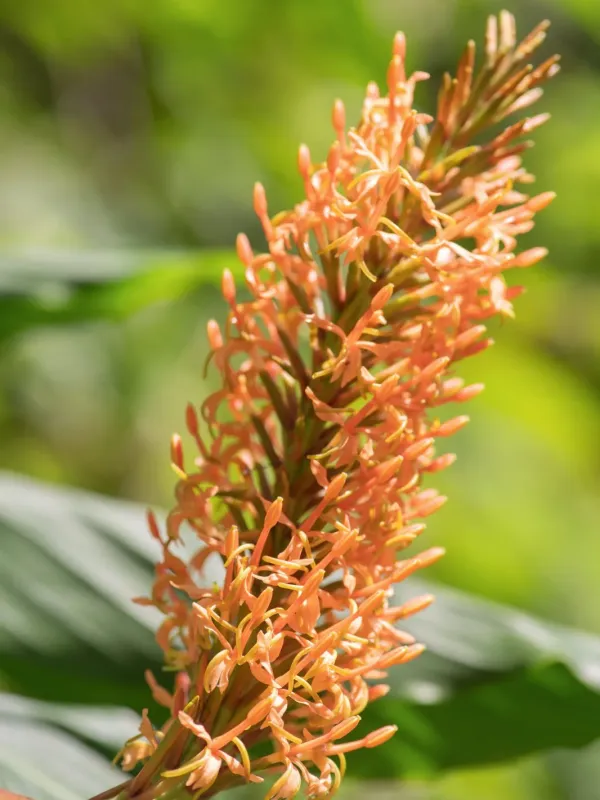
In terms of agricultural and landscape use, Hedychium densiflorum is primarily valued for its decorative qualities. Its unique spike-shaped inflorescences, composed of numerous small orange or yellow flowers, release a pleasant, spicy fragrance, making it an excellent choice for tropical-style garden designs.
Main diseases and pests
The primary threats to this plant are associated with improper irrigation and humidity management. Excessive soil moisture leads to rhizome rot caused by pathogenic fungi such as Pythium and Phytophthora, which can quickly destroy the entire root system.
Spider mites and scale insects represent the most significant pest threats, especially in greenhouse conditions where air humidity may fluctuate. Controlling these pests requires the use of systemic acaricides and insecticides applied at the first signs of infestation.
Aphids can also affect the plant by clustering on young shoots and buds, extracting cell sap and causing significant deformation of the plant tissues. Regular inspections and the application of mild soap-based solutions are effective strategies for early pest management.
Fungal leaf spot diseases may develop in poorly ventilated areas or where plants are too densely packed. To prevent these infections, it is crucial to ensure adequate spacing between plants and avoid wetting the delicate flower spikes during irrigation.
In climates with freezing winters, the rhizomes must be protected with mulch or lifted and stored indoors. Soil freezing is a critical risk factor that can lead to the total loss of this tropical species if not properly managed.