
Hedychium flavum
Hedychium flavum
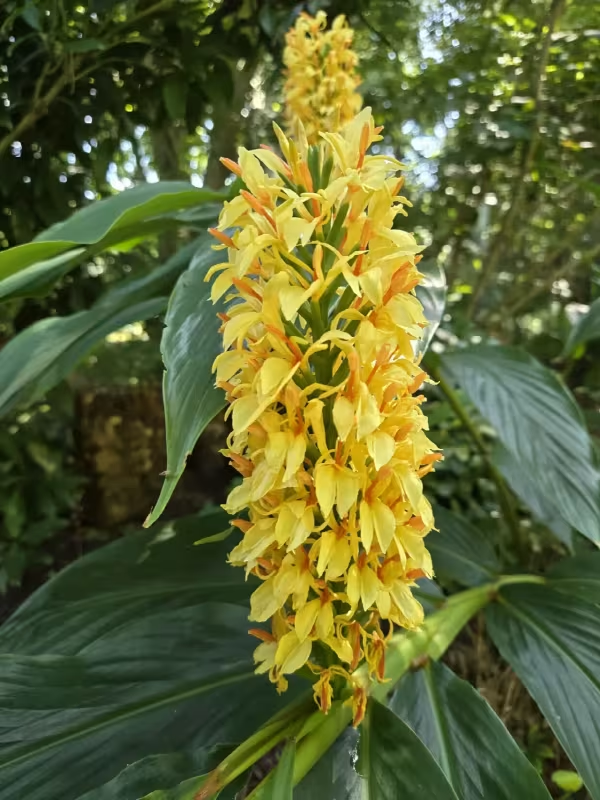
Description
Sowing dates
Hedychium flavum, commonly known as the yellow ginger lily, belongs to the Zingiberaceae family. This rhizomatous perennial is native to the tropical regions of the Himalayas and Southeast Asia, prized for its showy, fragrant inflorescences.
Propagation is primarily achieved through division of the rhizomes during the dormant season or early spring. Carefully separating the clumps ensures each division has viable growth buds, which promotes rapid establishment in the new growing medium.
When planting, choose a rich, well-draining soil mix enriched with organic matter. Proper drainage is paramount, as the rhizomes can succumb to rot if left sitting in waterlogged conditions for extended periods during the early stages of growth.
Planting density is crucial for healthy development. Space the rhizomes approximately 45–60 centimeters apart to allow for vigorous spread during the growing season and to ensure adequate air movement throughout the foliage canopy.
For those starting from seeds, ensure a constant warm environment with temperatures around 25–30 degrees Celsius. Seed germination can be slow and sporadic, requiring patience and consistent moisture levels to break dormancy successfully.
Growing requirements
This species thrives in bright, indirect light. While it can tolerate some morning sun, afternoon shade is essential in warmer climates to prevent leaf scorch and maintain the vibrant color of the foliage and flowers.
Consistent moisture is the key to success. The plant requires regular watering throughout the active growth phase. Never let the soil dry out completely, as this plant originates from humid, tropical environments where water is abundant.
Temperature management is critical. Hedychium flavum prefers temperatures between 20 and 28 degrees Celsius. It is not frost-tolerant and must be protected in climate zones where temperatures drop below 10 degrees during the winter months.
Fertilization should be performed bi-weekly during the peak growing season using a balanced, water-soluble fertilizer. Supplementing with high-potassium feeds as the flowering stage approaches will significantly enhance the quality of the blooms.
Humidity is often overlooked but vital. In indoor settings or dry climates, regular misting of the foliage or placing the pot on a pebble tray with water helps replicate the humid natural habitat of this tropical ginger lily.
Main diseases and pests
Common pests include spider mites and scale insects, which often thrive in low-humidity environments. Regular inspection of the undersides of the leaves is the best way to detect early infestations before they spread to the whole plant.
Root rot caused by overwatering or poorly draining soil is the most serious threat to the rhizomes. If the base of the stems turns mushy, immediate action is required to repot the plant in fresh, dry soil after removing the infected parts.
Slugs and snails can be problematic in outdoor garden beds, often consuming young shoots. Utilizing physical barriers or organic bait traps around the base of the plant can provide effective protection during the early growing stages.
Fungal diseases like powdery mildew can develop if there is poor airflow around the foliage. Ensuring sufficient spacing between individual plants and watering the base rather than the leaves helps mitigate the risk of fungal spread.
Regular sanitation of gardening tools is recommended to prevent the spread of soil-borne pathogens. Keeping the area free of dead organic debris reduces the likelihood of attracting pests that can stress the plant and weaken its immunity.
Harvesting
For ornamental purposes, flowers should be harvested early in the morning when turgidity is highest. This ensures maximum vase life and preserves the delicate, sweet fragrance that makes this plant a favorite in tropical flower arrangements.
Rhizome harvest for botanical or perfumery use takes place after the foliage has naturally yellowed at the end of the season. The rhizomes are then carefully dug, washed, and dried in a cool, shaded area to maintain their aromatic oils.
Seed harvesting should be performed as soon as the seed pods change color and begin to split. Collectors must act quickly to prevent the seeds from dispersing naturally into the surrounding substrate, which would result in loss of material.
In landscaping, Hedychium flavum serves as an excellent focal point. Its yield is measured in the abundance of flower spikes produced per season, which is directly correlated to the level of care provided during the spring and summer months.
Proper storage of rhizomes during the winter is a form of 'harvesting' for the next cycle. Storing them in slightly damp peat moss at 10–12 degrees Celsius ensures they remain viable for the upcoming spring planting season.