
Hedychium cylindricum
Hedychium cylindricum
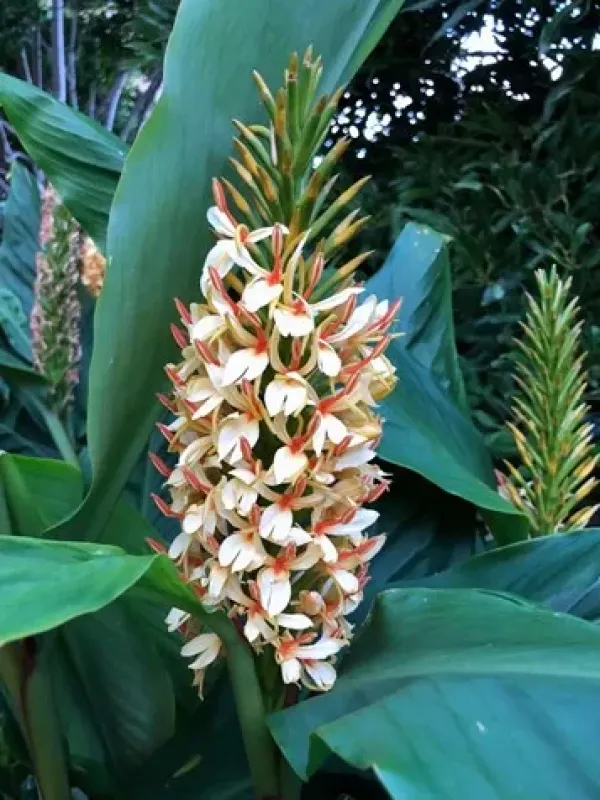
Description
Sowing dates
Hedychium cylindricum belongs to the Zingiberaceae family. In agricultural practices, this crop is primarily propagated vegetatively by dividing mature rhizomes during the dormancy phase.
Rhizome divisions should be planted in a well-draining, nutrient-rich substrate, ensuring that the growing points are positioned just below the soil surface for optimal sprouting.
Seed propagation is also possible but requires specialized conditions, including constant high temperatures and a high-humidity environment to facilitate germination.
The best time for planting is early spring when the plant initiates its new growth cycle, allowing it to establish a strong root system before the peak heat of summer.
During the initial phase of development, it is crucial to protect the plant from harsh environmental factors until the vegetative mass reaches a sufficient size.
Growing requirements
As a tropical species, Hedychium cylindricum thrives in warm climates where temperatures remain consistently above 15 degrees Celsius throughout the growing season.
The plant requires filtered sunlight or partial shade; high-intensity direct sun exposure is often detrimental, causing leaf scorching and reducing the overall aesthetic quality.
High soil organic matter content is preferred, along with a slightly acidic pH level that supports efficient nutrient uptake and promotes vigorous foliage growth.
Regular irrigation is essential for maintaining constant soil moisture, though waterlogging must be strictly avoided to prevent the onset of root-related disorders.
Humidity management is a critical factor for success; keeping relative humidity around 60–70% significantly enhances the health and flowering potential of the crop.
Main diseases and pests
Common agricultural pests affecting this crop include spider mites, aphids, and scale insects, which often colonize the underside of the leaves in dry conditions.
Root and rhizome rot are the most serious diseases, typically triggered by poor drainage or overwatering, which creates an anaerobic environment favorable for pathogens.
Effective pest management involves regular monitoring and the use of integrated pest management (IPM) strategies to maintain a healthy growing environment.
Sanitation practices, such as removing dead foliage and ensuring proper air circulation, are vital to preventing the spread of fungal and bacterial infections.
If chemical interventions are necessary, choosing systemic fungicides or insecticides should be done with caution to avoid damaging the sensitive root systems of the plant.