
Hedychium deceptum
Hedychium deceptum
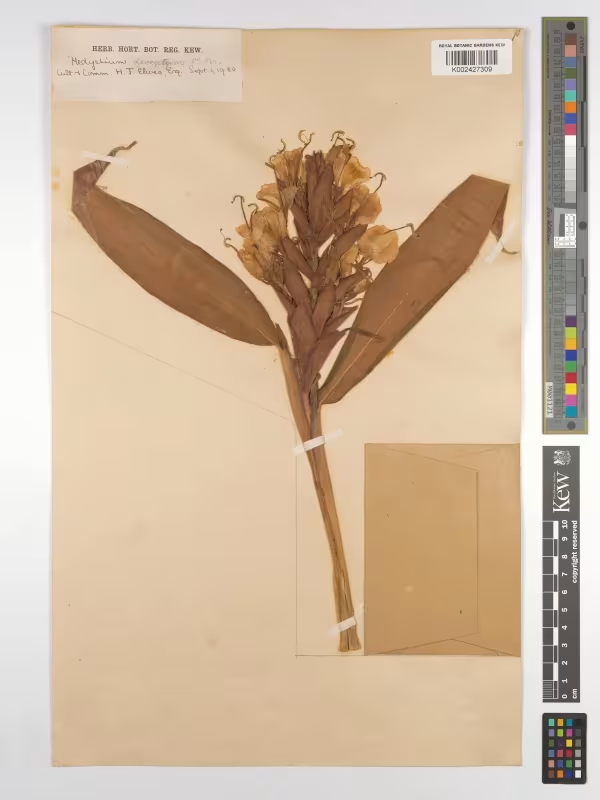
Description
Sowing dates
Hedychium deceptum is primarily propagated through the division of its thick rhizomes, which is the most reliable method for ensuring vigorous growth and genetic stability.
The optimal time for planting or dividing the rhizomes is early spring, just as the dormant eyes begin to show signs of swelling and new root development.
When planting, ensure the rhizomes are placed in a rich, well-draining medium, burying them at a shallow depth of approximately 5 to 10 centimeters.
Proper spacing is essential; given the plant's aggressive growth habit, individuals should be planted at least 60 centimeters apart to prevent overcrowding.
Ensure that the soil temperature has warmed sufficiently before setting the plant outdoors, as cold soil can cause the rhizomes to rot before they establish.
Growing requirements
As a member of the Zingiberaceae family, Hedychium deceptum requires conditions that mimic its native tropical forest habitat, characterized by heat and consistent humidity.
The plant thrives in partial shade, as direct, intense midday sunlight can scorch its broad, lush foliage and lead to dehydration.
The soil should be nutrient-dense, containing plenty of compost or organic matter, and must provide excellent drainage to keep the rhizomes healthy.
- Regular moisture is required during the active growth phase.
- Humidity levels should ideally be maintained above 60 percent.
- Protection from wind is recommended to preserve leaf integrity.
During the cooler months, watering should be significantly reduced as the plant enters a period of dormancy, though the rhizomes should never completely dry out.
Main diseases and pests
Spider mites are a common pest, particularly when the ambient air becomes too dry, often resulting in yellowing leaves and reduced overall plant vigor.
Mealybugs can often be found hiding in the tight leaf axils, requiring careful inspection and application of systemic insecticides or horticultural oils.
Root rot is the most serious threat, usually caused by overwatering or poor drainage, which allows fungal pathogens to compromise the rhizome structure.
Regular sanitation, such as removing dead leaf tissue and debris, helps minimize the risk of spreading fungal or bacterial infections throughout the planting area.
Monitoring for signs of nutrient deficiencies is also vital, as chlorosis can quickly weaken the plant, making it more susceptible to external environmental stressors.