
Hedychium acuminatum
Hedychium acuminatum
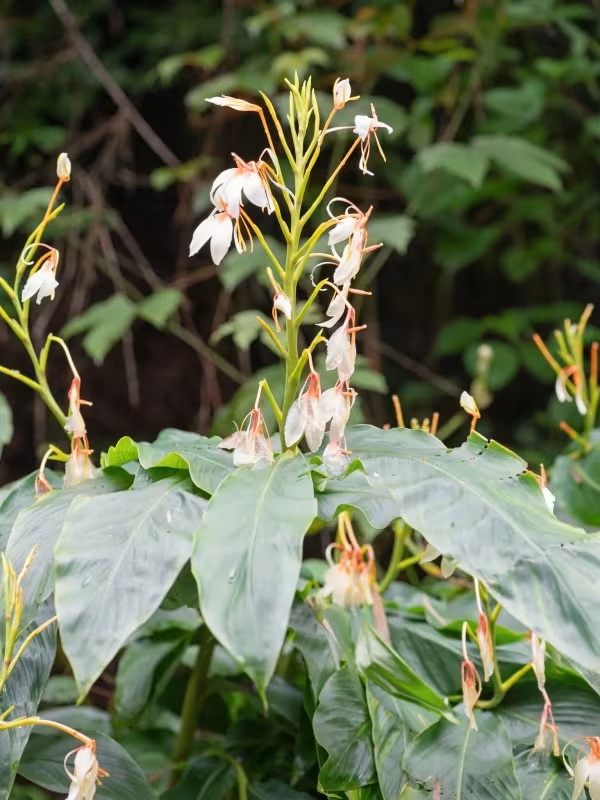
Description
Growing requirements
Hedychium acuminatum is a notable member of the Zingiberaceae family, known for its elegant, fragrant flowers and lush, tropical foliage. Originating from the humid regions of Southeast Asia, it is highly valued as an ornamental specimen.
The plant features robust rhizomes that spread underground, producing upright leafy stems. In tropical climates, it acts as a vigorous perennial that can form dense clumps, contributing to the exotic aesthetics of botanical gardens.
Temperature management is critical for this species. It thrives in warm environments, typically between 20°C and 28°C, and does not tolerate frost. In cooler regions, it must be grown in containers and moved indoors during winter.
The soil requirements involve a rich, well-draining substrate that retains moderate moisture without becoming waterlogged. A mixture of compost, peat moss, and coarse sand or perlite is ideal for sustaining healthy growth.
Light requirements are best met with bright, indirect sunlight. While the plant can tolerate some filtered morning sun, protection from intense mid-day heat is necessary to maintain the vibrancy of the leaves.
Main diseases and pests
Rhizome and root rot are the most serious threats to Hedychium acuminatum, usually caused by overwatering or poor soil drainage. Maintaining a proper balance of soil moisture is essential to prevent these fungal issues.
Spider mites are a common nuisance, particularly in indoor environments with low humidity. They can quickly damage the foliage, leading to yellowing and premature leaf drop if left unchecked.
Mealybugs can also infest the plant, congregating in the leaf axils and stems. Physical removal or the use of appropriate horticultural oils is recommended when an infestation is detected.
Scale insects represent a potential risk, often attaching themselves to the stems. Regular cleaning of the leaves with a damp cloth can help prevent the buildup of pests and keep the plant healthy.
Environmental stress, such as sudden temperature drops or lack of ventilation, can weaken the plant, making it more susceptible to opportunistic pathogens and reducing its overall aesthetic appeal.