
Hedychium ellipticum
Hedychium ellipticum
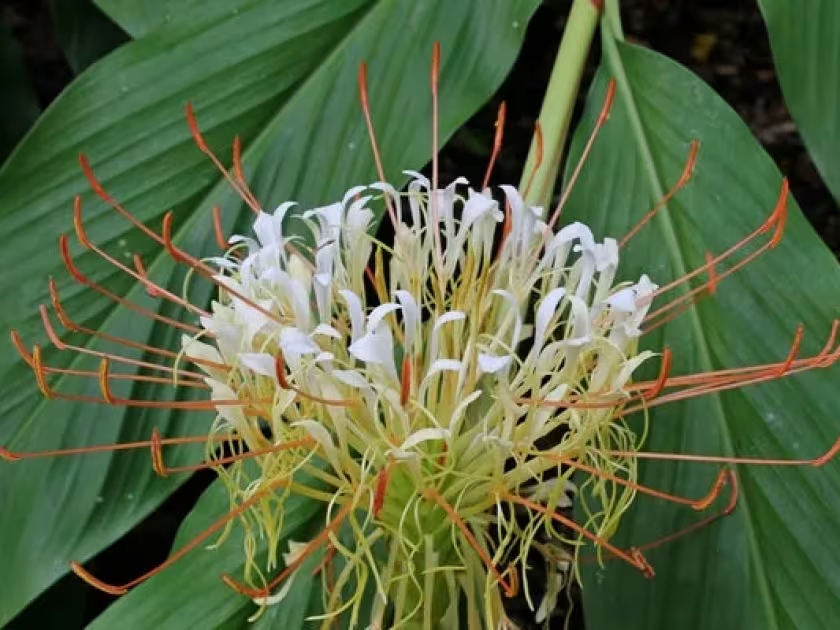
Description
Growing requirements
Hedychium ellipticum is a perennial herbaceous plant belonging to the Zingiberaceae family. Native to the Himalayan region and Southeast Asia, this plant is well-adapted to the high-humidity environments of mountain forest understories.
The plant features robust rhizomes that spread underground, producing stems that can reach significant heights. Its elliptic leaves are leathery and provide a lush green backdrop for the fragrant, showy flowers that characterize this species.
Cultivation requires fertile, well-draining soil rich in organic matter. A moist environment is crucial for optimal growth, and the plants thrive best in partial shade, mimicking their natural forest floor habitat.
In terms of climate, Hedychium ellipticum is highly sensitive to cold temperatures. It is considered a tropical to subtropical plant that requires consistent warmth, typically between 18°C and 25°C, to ensure vigorous vegetative growth.
Economically, this plant is highly valued in the horticulture industry as an ornamental specimen. Its unique flower structure and intense fragrance make it a popular choice for botanical gardens and professional tropical landscaping projects.
Main diseases and pests
Common pests affecting Hedychium ellipticum include spider mites, which thrive in dry environments and can cause significant damage to the leaf tissue if not managed appropriately.
Mealybugs are another frequent threat, often congregating in the leaf axils. These pests extract plant fluids, leading to stunted growth and providing entry points for secondary infections.
Root rot, caused by various soil-borne fungi, represents a major threat in poorly drained soils. Overwatering combined with poor aeration can lead to the rapid decay of the rhizomatous root system.
Preventive maintenance involves monitoring the humidity levels and ensuring excellent soil drainage. Avoiding waterlogging is the most effective cultural practice to prevent rot-related diseases.
Management of pest infestations should include integrated pest management strategies, such as physical removal of insects or the application of appropriate biological or chemical control agents.