
Scarlet ginger lily
Hedychium coccineum
Description
Growing requirements
Scarlet ginger lily (Hedychium coccineum) is a rhizomatous perennial plant belonging to the Zingiberaceae family. Native to the subtropical regions of the Himalayas and India, this plant is well-known for its striking inflorescences and robust growth habit.
Botanically, it features tall, leafy stems that rise from thick, fleshy rhizomes. The leaves are alternate, lance-shaped, and deep green, providing a lush tropical appearance throughout the growing season. The plant can reach heights of up to 2 meters in favorable conditions.
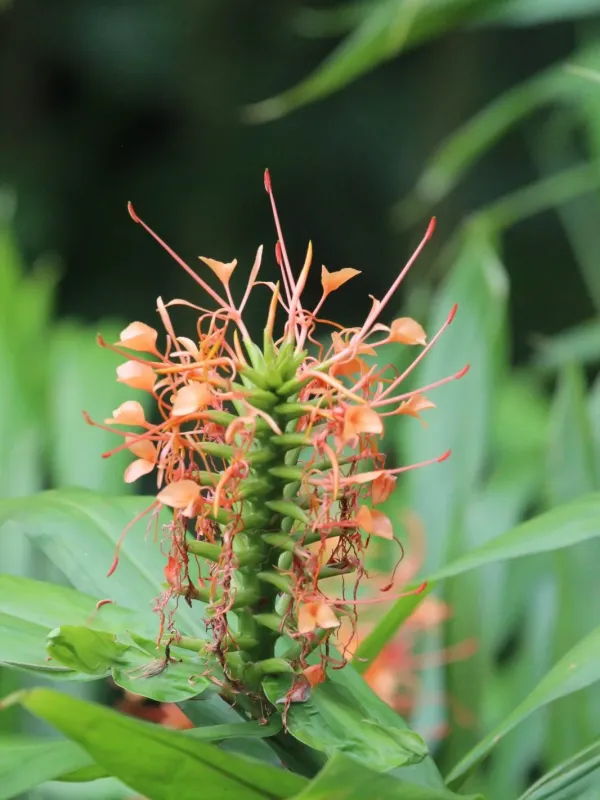
The inflorescences are characterized by dense, terminal spikes of vibrant orange to red flowers with prominent stamens. Beyond its aesthetic appeal, the plant is highly valued for its intense, spicy, and sweet fragrance, which makes it a popular choice for conservatories.
The culture thrives in rich, moist, but well-draining soil with a slightly acidic to neutral pH. Providing organic matter or compost is essential for maintaining the vigor of the rhizomes and ensuring consistent floral display year after year.
Regarding climate, Hedychium coccineum requires temperatures between 20°C and 28°C during its active growth phase. It is highly sensitive to frost; thus, it is typically grown in greenhouses or as a container plant in temperate zones, brought indoors before temperatures drop.
Main diseases and pests
Spider mites are the most common pest, particularly in controlled environments where air humidity is low. Regular misting and proper ventilation are effective strategies to prevent significant infestations during the growth cycle.
Root rot is a major threat caused by overwatering or poor drainage systems. Since the rhizomes are succulent, they are prone to rotting if they sit in waterlogged soil for extended periods, necessitating careful irrigation management.
Scale insects can attach to the stems and leaf bases, causing stunted growth and loss of vigor. Manual removal combined with systemic insecticides is often required to manage outbreaks in ornamental collections.
Fungal leaf spot diseases can occur if the foliage remains damp in poorly ventilated spaces. Keeping the leaves dry and ensuring adequate spacing between plants significantly reduces the incidence of such pathogenic infections.
Nutrient deficiency, specifically of iron, can cause chlorosis, where leaves turn yellow while the veins remain green. Regular application of a balanced liquid fertilizer with micronutrients helps maintain optimal plant health and color intensity.