
Hedychium villosum
Hedychium villosum
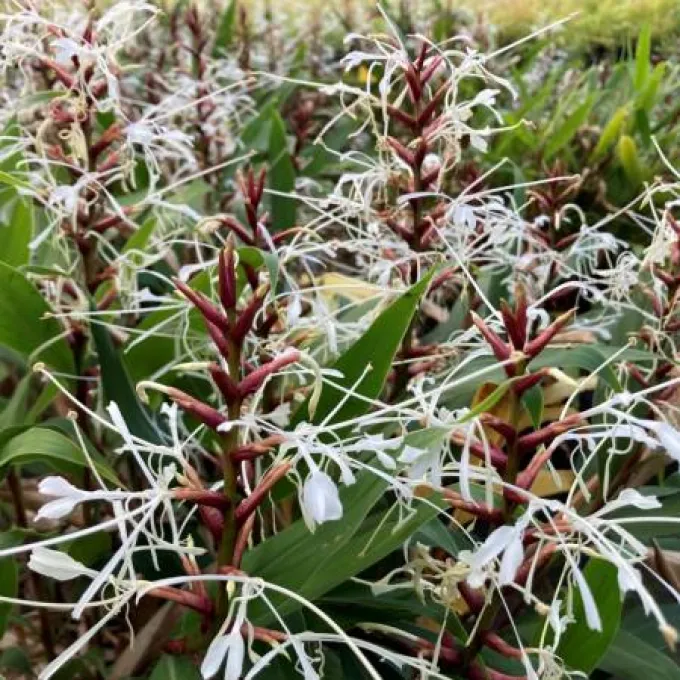
Description
Growing requirements
Hedychium villosum, commonly known as a type of hairy ginger lily, belongs to the Zingiberaceae family. Native to the mountainous regions of Asia, this perennial herb is recognized for its dense, hairy foliage and fragrant flowers.
The plant thrives in warm, humid environments, reflecting its tropical and subtropical origins. It is generally not cold-hardy, requiring greenhouse protection or indoor cultivation in temperate regions to survive winter.
Cultivation requires fertile, well-draining soil that is rich in organic matter. A slightly acidic to neutral pH level is ideal for supporting the plant's vigorous root system development.
Lighting requirements involve bright, filtered sunlight. Direct exposure to intense midday sun can scorch the leaves, so positioning the plant in partial shade or near windows with light curtains is recommended.
Regular maintenance involves keeping the soil consistently moist but not waterlogged. During the growing season, moderate fertilization is beneficial to support the development of the rhizomes and flower stalks.
Main diseases and pests
Root rot remains the most significant threat to Hedychium villosum, typically caused by waterlogged soil and poor drainage conditions. Preventing moisture saturation is crucial for long-term survival.
Spider mites are common pests that thrive in low-humidity conditions. These pests feed on the cell sap, causing the foliage to lose its healthy green color and eventually develop necrotic spots.
Scale insects may also attach to the stems, causing stunted growth. Infestations should be managed immediately with appropriate horticultural oils or systemic insecticides to prevent spreading.
Fungal diseases like powdery mildew can occur if the airflow is poor. Improving ventilation and maintaining appropriate spacing between individual plants can help mitigate this risk.
Early detection through frequent monitoring is the best strategy. Removing damaged leaves and keeping the growing area clean helps reduce the overall pest and disease pressure.