
Hedychium thyrsiforme
Hedychium thyrsiforme
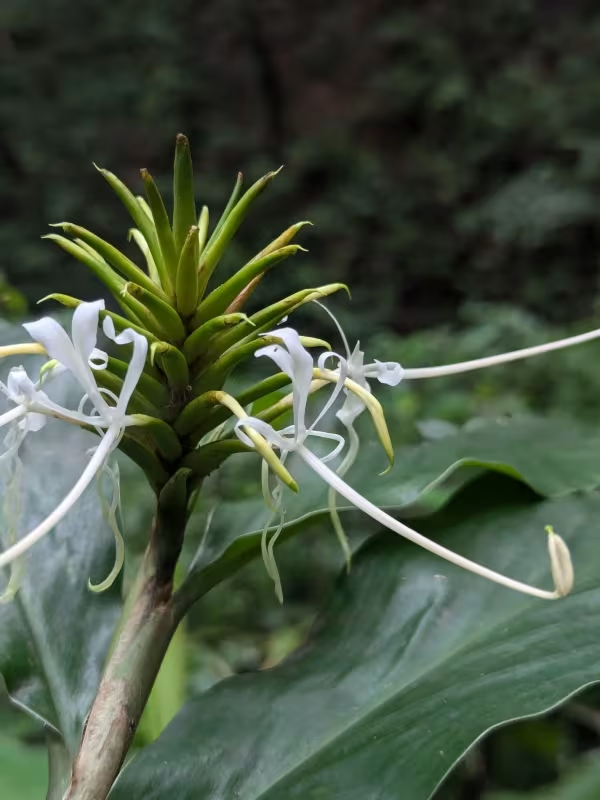
Description
Growing requirements
Hedychium thyrsiforme is a perennial herbaceous species belonging to the Ginger family (Zingiberaceae). Originating from the tropical landscapes of Asia, it is highly valued for its striking architectural foliage and unique botanical structure.
The plant grows from a robust rhizome system, producing tall, leafy stems that carry deep green, lanceolate leaves. It is an excellent choice for conservatory settings or tropical-style gardening where ambient conditions can be strictly controlled.
The optimal climate for this species involves high humidity levels and warm temperatures. It flourishes when daytime temperatures are consistently between 20°C and 28°C, and it must be protected from frost at all times.
Regarding soil requirements, the plant prefers a well-drained, nutrient-rich potting medium. A mixture of peat, loam, and coarse grit is ideal to prevent waterlogging, which is detrimental to the plant's fleshy rhizomes.
Adequate water is essential throughout the growing season. The soil should remain consistently moist, but not soggy, with a reduction in irrigation frequency during the dormant winter phase to prevent rot.
Main diseases and pests
Common pests associated with Hedychium thyrsiforme include spider mites and mealybugs, which often appear in low-humidity environments or poorly ventilated greenhouse conditions.
Fungal issues, such as root rot and leaf spot, are prevalent if drainage is insufficient. These pathogens thrive in stagnant, wet conditions and can quickly compromise the health of the rhizomes.
To control pest infestations, horticultural oils or appropriate systemic pesticides should be applied at the first sign of damage, ensuring thorough coverage of leaf undersides.
Maintaining good airflow and avoiding overcrowding is the most effective cultural method to prevent the spread of fungal diseases among the plant collection.
- Regular inspection of the root system is recommended during repotting sessions.
- Consistent monitoring of soil pH helps maintain optimal nutrient availability.