
Hedychium stenopetalum
Hedychium stenopetalum
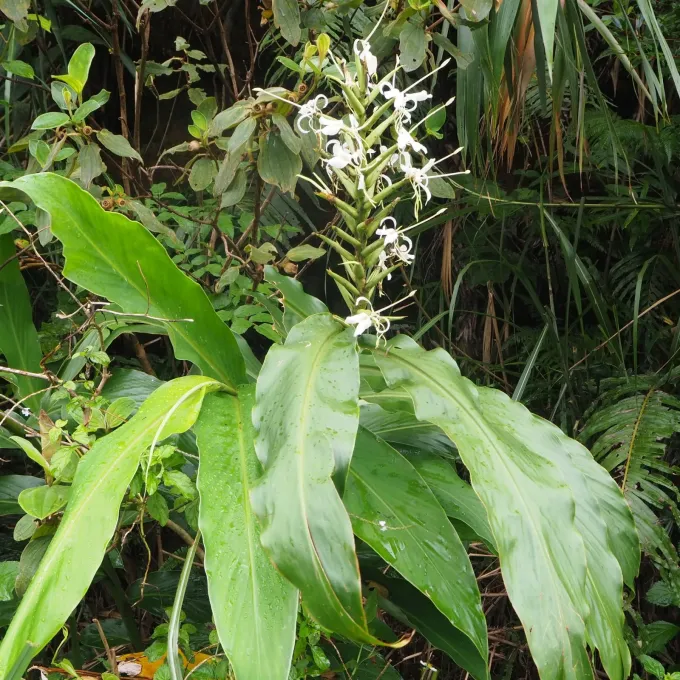
Description
Growing requirements
Hedychium stenopetalum is a perennial herbaceous plant belonging to the Zingiberaceae family. Native to the tropical regions of Southeast Asia, it is highly valued for its elegant, narrow-petaled flowers and lush foliage, typically thriving in humid forest understories and near water bodies.
This species is strictly a tropical plant, requiring warm temperatures throughout the year to maintain its growth cycles. It is intolerant of frost and cold soil temperatures, making it suitable for tropical gardens or indoor greenhouse environments where temperatures stay consistently above 18 degrees Celsius.
Successful cultivation depends heavily on soil composition. The plant performs best in a fertile, well-draining substrate rich in organic matter. A mixture of peat moss, decomposed compost, and perlite or sand is generally recommended to provide the necessary aeration for the rhizomes.
High relative humidity is essential for the health of Hedychium stenopetalum. In indoor settings, consistent moisture levels must be maintained through misting or automated irrigation systems. Failure to provide sufficient humidity often leads to browning leaf edges and poor overall plant vigor.
Regarding light, the plant prefers bright, filtered sunlight. While it is tolerant of shade, sufficient light is crucial for flower induction. Direct midday sun should be avoided to prevent foliar scorching, especially in enclosed environments where light intensity is magnified by glass structures.
Main diseases and pests
Spider mites represent the most common threat to this species, especially when cultivated in conditions with insufficient humidity. These pests thrive in dry air, and infestation can lead to rapid yellowing and premature leaf drop if not managed promptly.
Root rot, primarily caused by Phytophthora or Pythium fungi, is a common issue when the soil remains waterlogged for extended periods. Ensuring a porous soil structure and proper drainage is the most effective preventative measure against this pathogen.
Mealybugs are another frequent pest, hiding in the leaf axils and on the undersides of leaves. Their presence can be identified by a white, cottony secretion, which requires manual removal followed by the application of horticultural soap or systemic insecticides.
Leaf spot diseases, often triggered by bacterial or fungal pathogens like Pseudomonas, can occur when foliage remains wet for long durations without adequate ventilation. Improving airflow around the plants helps to keep the leaves dry and reduces the risk of infection.
Soil-borne nematodes can also damage the root system, causing stunted growth and weakened stalks. To mitigate this risk, it is vital to source high-quality, disease-free rhizomes and utilize sterile growing media for all potting operations.