
Philippine Ginger Lily
Hedychium philippinense
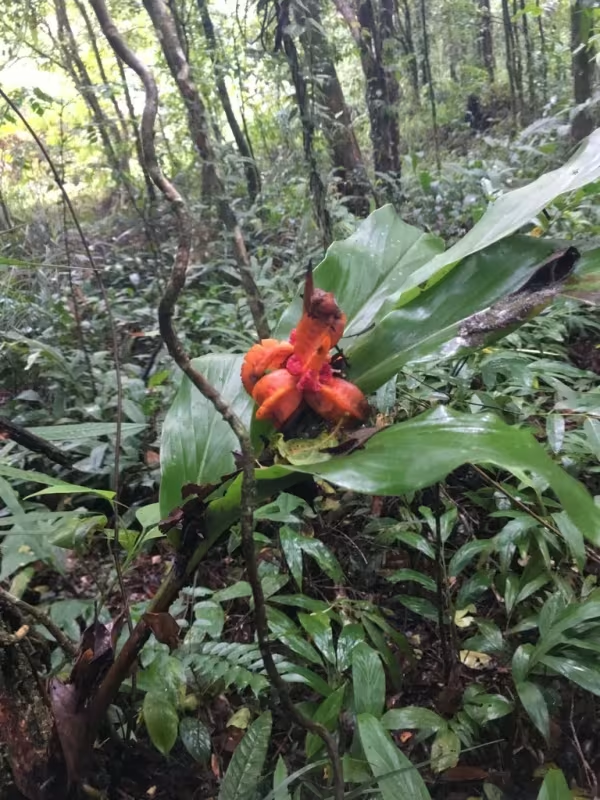
Description
Growing requirements
The Philippine Ginger Lily (Hedychium philippinense) is a fascinating member of the Zingiberaceae family. Native to the Philippines, this species typically grows as an epiphyte on trees within dense, humid tropical forests, relying on the environment for moisture and nutrient accumulation.
To cultivate this plant successfully, one must replicate its natural tropical habitat. It thrives in conditions characterized by high ambient humidity and steady warmth, typically requiring temperatures ranging from 22°C to 28°C throughout the year to maintain consistent growth cycles.
Proper airflow is a critical component of its care. As an epiphyte, the root system is adapted to breathe, making the use of heavy, water-retentive soils detrimental. Instead, it should be grown in baskets or on mounts with organic materials like sphagnum moss or coconut husk.
Watering requirements are strict; the medium should be kept consistently moist but never waterlogged. Using rainwater or distilled water is highly recommended to prevent the accumulation of minerals in the delicate root system, which can cause significant stress to the plant.
Lighting should be bright but filtered. In greenhouses, shade cloth is often employed to diffuse sunlight, protecting the foliage from intense midday heat while ensuring sufficient light intensity to drive the plant's metabolic and flowering processes.
Harvesting
The horticultural utility of Hedychium philippinense is primarily focused on exotic plant collecting and botanical display. Its unique, fragrant inflorescences make it a highly sought-after specimen for conservatory environments and specialized tropical garden designs.
Propagation is primarily achieved through rhizome division. Growers carefully separate healthy portions of the rhizome during the plant's dormant phase, ensuring each piece has at least one viable growth point to establish a new individual plant.
For floral use, harvesting the stalks requires precision. Cutting the inflorescence at the base with a disinfected blade ensures the health of the rhizome, allowing the parent plant to recover and produce future shoots efficiently without risking systemic infection.
Routine maintenance includes the periodic thinning of the rhizome mat. This prevents overcrowding in pots or mounting blocks, promoting better air circulation, which is essential for managing the humidity levels required to keep the plant free from fungal rot.
While not a major commercial agricultural crop, the species is an important resource for sustainable breeding programs. Hybridizers utilize its unique genetic traits to create new varieties of ginger lilies that possess both aesthetic appeal and enhanced resilience for ornamental use.