
Hedychium longicornutum
Hedychium longicornutum
Description
Growing requirements
Hedychium longicornutum is a perennial herbaceous plant belonging to the Zingiberaceae family. Native to the tropical regions of Southeast Asia, specifically Malaysia, this species thrives in humid forest environments and represents a significant ornamental value for both private collections and specialized nurseries.
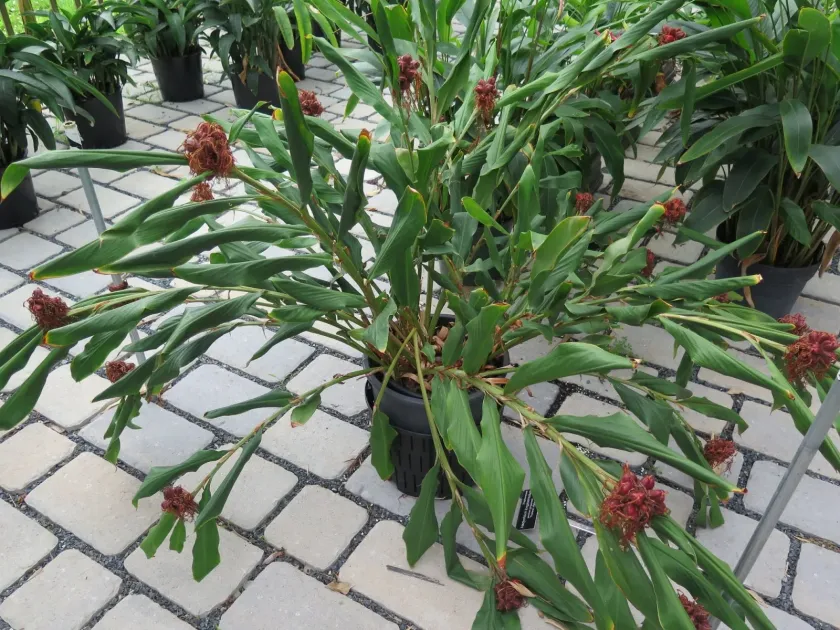
Botanically, the plant features a robust rhizomatous root system that supports erect stems, typically reaching heights of one to two meters. The leaves are distinctively lanceolate and dark green, providing a lush appearance that is characteristic of the ginger family members adapted to understory habitats.
The climate requirements for this culture are strict: it demands stable, warm temperatures throughout the year and high levels of atmospheric humidity. Protection from direct, scorching sunlight is essential, as this plant performs best in filtered light or partial shade conditions.
Successful cultivation relies heavily on soil quality, which must be well-draining, rich in organic matter, and slightly acidic. Proper soil preparation ensures the rhizomes can breathe and access essential nutrients without the risk of suffocation from heavy, compacted textures.
Agricultural management includes consistent watering to maintain moisture levels without causing waterlogging. During the peak growth season, providing balanced liquid fertilization will stimulate vigorous vegetative expansion and improve the resilience of the plant's structural integrity.
Main diseases and pests
The primary threats to Hedychium longicornutum are soil-borne pathogens that cause rhizome and root rot. These diseases are almost invariably triggered by excessive moisture or poor drainage conditions, which facilitate the proliferation of fungi like Pythium or Phytophthora.
Pest management is focused on common greenhouse and tropical pests, particularly spider mites and mealybugs. These insects can quickly colonize the undersides of leaves, especially when ambient humidity levels drop below optimal thresholds for the plant.
Powdery mildew can manifest as a threat if airflow around the plants is inadequate. Maintaining proper spacing between plants and ensuring good air circulation are fundamental preventative strategies for mitigating fungal spread in agricultural settings.
Nutrient deficiencies, while not a disease, can mimic the symptoms of pathogens by causing chlorosis or necrotic spotting. Regular soil testing and the application of micronutrient supplements can prevent these issues and ensure healthy plant development.
Sanitation practices are vital in managing these threats. Implementing strict quarantine measures for new stock and utilizing disinfected cutting tools effectively limits the risk of pathogen transmission across the growing site.