
Hedychium horsfieldii
Hedychium horsfieldii
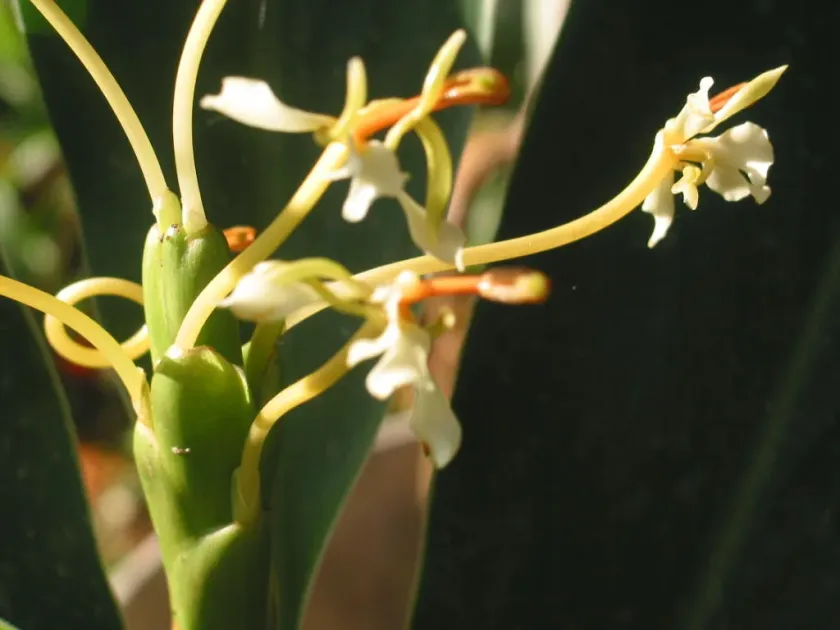
Description
Growing requirements
Hedychium horsfieldii is a perennial herbaceous plant belonging to the Zingiberaceae family. Known for its striking inflorescences and lush foliage, it represents a significant species within the genus, widely appreciated in tropical horticulture.
The plant originates from the tropical forests of Southeast Asia, specifically Indonesia. It thrives in humid, shaded environments where it benefits from the protection of the forest canopy and consistent moisture levels.
The cultivation of this species requires well-draining, nutrient-rich soil with a slightly acidic to neutral pH. High organic matter content is essential to support the rapid growth of the rhizomes and the aerial stems.
Climate requirements include a stable temperature range between 22°C and 28°C. The plant cannot tolerate frost and requires a tropical or subtropical climate, or a climate-controlled greenhouse environment for optimal health.
Regular maintenance involves consistent watering and moderate feeding during the peak growth season. Providing high atmospheric humidity is crucial, as the foliage is prone to browning under arid or overly dry conditions.
Main diseases and pests
Spider mites are common pests that thrive on Hedychium horsfieldii during periods of low humidity. These insects cause yellowing and necrosis of the leaves if left untreated.
Rhizome rot is a primary concern for growers, typically triggered by waterlogged conditions. Ensuring proper soil aeration and drainage is the most effective preventative measure against such fungal issues.
Mealybugs often congregate in the leaf axils, extracting plant sap and potentially transmitting viral pathogens. Early detection through regular crop scouting is vital for effective management.
Fungal leaf spot diseases can occur due to poor air circulation and excessive moisture on leaf surfaces. Improving airflow and spacing plants correctly helps mitigate these risks significantly.
Aphids occasionally attack the developing flower buds, damaging the inflorescence structure. Integrated pest management, including biological controls, is recommended over heavy chemical application to maintain plant quality.