
Graceful ginger lily
Hedychium gracile
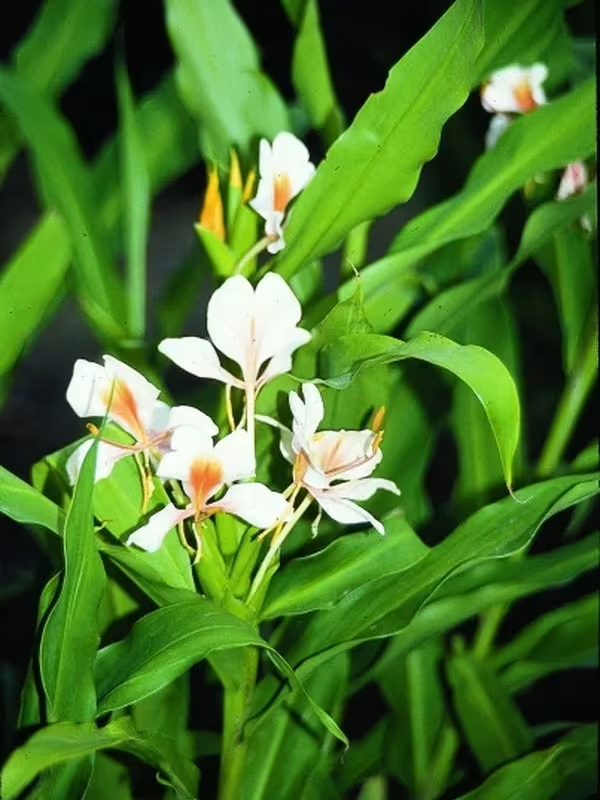
Description
Sowing dates
Propagation of Hedychium gracile is most commonly achieved through the division of its robust rhizomes, as seed propagation requires specific conditions and a long germination period. The optimal time for division and transplanting is early spring, just before the plant begins its active growth cycle.
When dividing the rhizome, it is important to ensure that each section has at least two to three healthy growth buds. It is recommended to treat the cut surfaces of the rhizomes with crushed charcoal to prevent fungal diseases, which are common in the succulent tissues of tropical plants.
For planting, choose a nutrient-rich, loose substrate with a neutral or slightly acidic pH, supplemented with organic matter. The rhizomes should be planted at a depth of 5–7 centimeters, providing sufficient space for future expansion of the vegetative mass.
If cultivated in containers, pots must have a high-quality drainage layer to prevent moisture stagnation. Excessive soil moisture during the rooting phase is detrimental to young shoots and can easily lead to the rotting of the root system.
When using the seed method, sowing should be done in greenhouse conditions with a stable temperature of at least 22–25 degrees Celsius. Seeds should be pre-soaked in growth stimulants and covered with plastic until the first seedlings emerge.
Growing requirements
The graceful ginger lily belongs to the Zingiberaceae family and is a heat-loving plant that requires a specific microclimate to thrive. In its natural habitat, it is found in the humid tropical forests of Asia, characterized by high atmospheric humidity.
Successful cultivation requires maintaining a temperature range of 20–28 degrees Celsius during the day. Sharp temperature fluctuations and cold drafts negatively affect flowering and can trigger premature bud drop before they even open.
The plant has high lighting requirements, preferring bright but diffused sunlight. Direct midday sun can cause burns on the large, lanceolate leaves, so shading is advisable in hotter regions to protect the foliage integrity.
The soil must be kept consistently moist, which necessitates regular watering throughout the entire growing season. During active growth, the crop requires bi-weekly application of complex mineral fertilizers to support intense development and bloom.
In temperate climates, this species is grown exclusively as a greenhouse or indoor plant, as it cannot withstand freezing temperatures. During winter, the plant enters a dormant period, requiring reduced watering and temperatures around 15 degrees Celsius.
Main diseases and pests
The main pests of Hedychium gracile in closed environments are sap-sucking insects that target young foliage. Spider mites and mealybugs are the most dangerous, as they multiply rapidly in conditions with low atmospheric humidity.
Root rot represents a serious threat, usually caused by improper agricultural practices such as overwatering combined with poor soil aeration. Affected rhizome parts become soft, dark, and emit an unpleasant odor.
To control insect pests, modern systemic insecticides and acaricides are applied to the plant's vegetative parts. Routine inspections of the leaf undersides are crucial to identify and treat infestations at an early stage.
Fungal infections, such as leaf spot, develop under conditions of poor air circulation. It is recommended to maintain adequate spacing between plants and promptly remove any damaged or decaying plant material to prevent the spread of spores.
Biological control methods, such as the use of entomophages or bio-preparations based on antagonistic fungi, demonstrate high efficacy in professional greenhouse settings and help reduce the chemical load on the crop.
Harvesting
The primary economic and agricultural use of Hedychium gracile is in ornamental horticulture and landscape design. Harvesting typically involves cutting flower stalks for floral arrangements or digging up rhizomes for propagation purposes.
Cut flowers for bouquets are harvested when the buds are partially open, with the lower part of the spike already displaying its typical coloration and fragrance. This stage maximizes the vase life and decorative appeal of the bloom in interior settings.
To obtain planting material, rhizomes are harvested in late autumn after the aerial parts of the plant have naturally yellowed. They are cleaned, washed, and dried in a cool, ventilated area before being stored in peat or sand.
In rare instances involving the production of essential oils, the rhizomes serve as the raw material. The harvest for this purpose is performed once the plants reach 3–4 years of age, when the concentration of aromatic compounds in the tissues is at its peak.
Post-harvest handling of the rhizomes includes mandatory disinfection and strict control of humidity in the storage facility. Proper storage conditions ensure the viability of the planting units for the upcoming planting season.