
Common hawthorn
Crataegus monogyna Jacq.
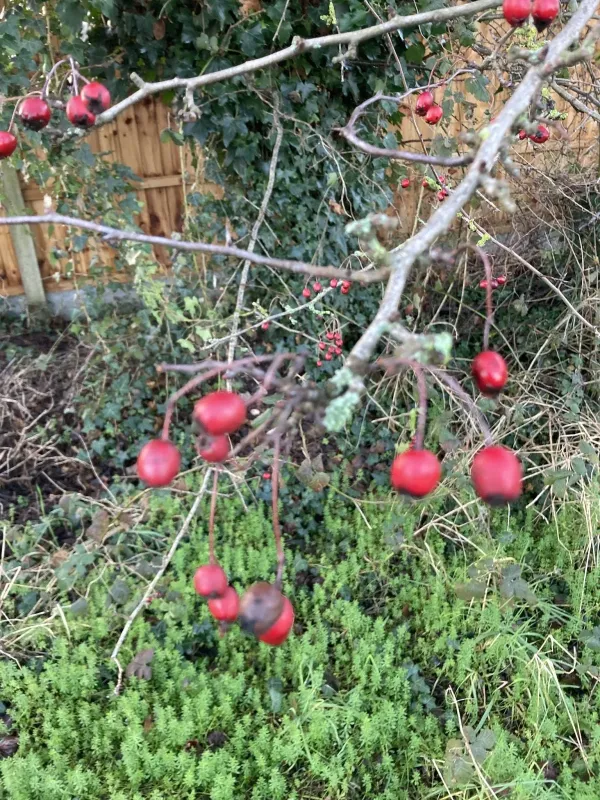
Description
Sowing dates
The propagation of common hawthorn typically involves planting seeds in autumn, as they require a long period of cold stratification to break dormancy.
Sowing in October allows the seeds to undergo natural winter chilling in the soil, which is essential for successful germination in the following spring.
If spring sowing is planned, seeds must be stratified in moist sand or vermiculite at approximately 5°C for several months to ensure uniform sprouting.
Vegetative propagation via softwood cuttings is also practiced, often carried out in greenhouses with high humidity to encourage root development.
When establishing a plantation, seedlings should be spaced appropriately to allow for future crown development and facilitate maintenance access.
Growing requirements
The common hawthorn, belonging to the Rosaceae family, is a highly resilient shrub known for its adaptability to various environmental conditions.
It thrives in open, sunny locations where light exposure promotes dense branch growth and ensures a high yield of flowers and fruits.
Regarding soil preferences, it is not particularly demanding but performs best in well-drained, fertile loams with a neutral or slightly alkaline pH.
The species is remarkably winter-hardy and drought-tolerant, making it an excellent choice for windbreaks, living fences, and erosion control.
Proper site preparation, including the clearing of weeds, is recommended to reduce competition during the initial growth stages of the young shrubs.
Yield
Hawthorn shrubs typically reach their productive potential starting from 7 to 10 years after planting, depending on environmental factors and management.
Yields can vary significantly based on pruning practices, as selective thinning helps to focus the plant's energy on fruit-bearing branches.
Regular maintenance, including the application of balanced fertilizers, can significantly enhance the size and nutritional content of the berries.
A well-managed hawthorn stand can remain productive for several decades, providing a steady supply of both pharmaceutical-grade fruit and biomass.
Yield monitoring is crucial in commercial production to determine the optimal timing for harvest and to assess the health of the plantation.
Main diseases and pests
The common hawthorn can be susceptible to various pests, including aphids, leaf-rolling caterpillars, and hawthorn spider mites that affect foliage.
Fungal diseases like powdery mildew and cedar-hawthorn rust represent the most significant threats, particularly in humid and poorly ventilated conditions.
Integrated pest management, including the use of targeted insecticides and preventive fungicides, is essential for maintaining crop health.
Cultural practices, such as removing fallen leaves and pruning diseased branches, are vital to preventing the spread of fungal spores across the field.
Maintaining proper spacing between plants is a highly effective method to improve air circulation, thereby reducing the incidence of foliage diseases.
Harvesting
Harvesting should be timed to coincide with the full maturity of the fruits when they reach their characteristic deep red color and peak sugar content.
The harvest period typically occurs in early autumn, ideally performed during dry weather to minimize moisture and prevent post-harvest spoilage.
Berries are collected either by manual picking or using specialized mechanical harvesters, taking care to avoid damaging the branches for future crops.
Immediate post-harvest processing involves sorting the berries and drying them at moderate temperatures to preserve their active chemical compounds.
Properly dried fruits should be stored in cool, dry, and well-ventilated areas to ensure long-term shelf life and high quality for industrial use.