
Downy hawthorn
Crataegus mollis (Torr. & A. Gray) Scheele
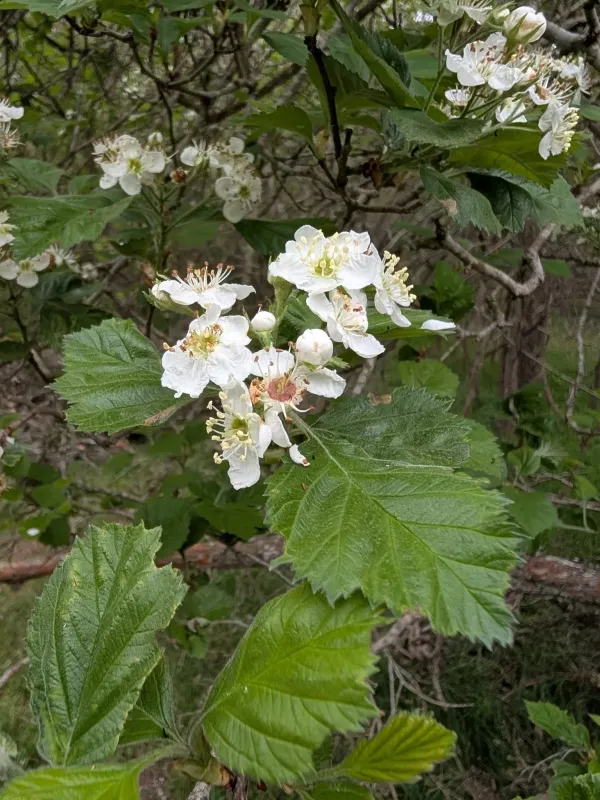
Description
Growing requirements
Downy hawthorn (Crataegus mollis) is a resilient tree within the Rosaceae family. Native to North America, it is widely recognized for its high productivity and ornamental value, often used in both domestic orchards and landscape design.
The species thrives in deep, fertile soils that provide adequate moisture while ensuring efficient drainage. It is highly adaptable to various soil types, though it performs best in slightly acidic to neutral environments.
Sunlight is critical for the development of its large, sweet fruits. A location receiving full sun for at least six hours a day is recommended to ensure robust growth and prevent the thinning of the canopy.
When establishing a planting site, consider the tree's ultimate size, as it can grow quite large. Adequate spacing allows for better air circulation, which is essential to reduce the risk of common foliar diseases.
Regular maintenance involves pruning to remove deadwood and maintain a vase-like shape, which helps sunlight reach the center of the tree and improves overall fruit quality and accessibility during the harvest.
Yield
Downy hawthorn produces large, bright red fruits with a mealy, sweet flavor. A healthy, mature tree can produce significant yields, making it a valuable resource for jams, jellies, and preserved fruit products.
Main diseases and pests
Common issues include rust and fire blight, which can impact foliage and branch health. Proper sanitation and the removal of infected parts are the primary methods for preventing widespread outbreaks.
Insects like hawthorn lace bugs and various leaf miners can affect tree vigor. Monitoring during the early spring and summer months allows for timely intervention using integrated pest management strategies.
Harvesting
Harvest occurs when the fruits are soft and fully colored. They are typically gathered by hand and should be processed promptly to preserve their flavor and nutrient content.