
Fan-leaved hawthorn
Crataegus rhipidophylla Gand.
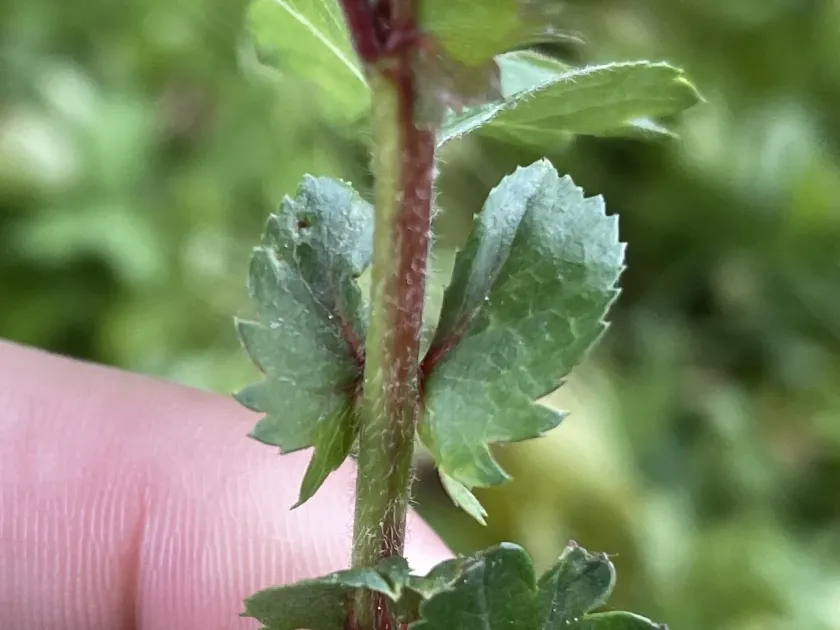
Description
Sowing dates
Propagation of Crataegus rhipidophylla via seeds is challenging due to the hard endocarp and seed dormancy. A long period of cold stratification, lasting 5 to 7 months at temperatures near freezing, is required to break dormancy and ensure germination.
Direct sowing in autumn is the preferred method for many growers, as the natural winter cold provides the necessary stratification. Seeds should be cleaned of flesh before sowing to prevent fungal issues during the winter months.
For clonal propagation, semi-hardwood cuttings taken in early summer are the most effective. Using rooting hormones and maintaining high humidity in a propagation unit can significantly improve success rates for this species.
Transplanting should be done during the dormant season, either in early spring or late autumn. Proper spacing is essential, with at least 2 to 3 meters between shrubs to allow for air circulation and easy harvesting.
Regular watering after transplantation is crucial to help the root system establish, especially during the first year of growth in the field or garden.
Growing requirements
The fan-leaved hawthorn is a member of the Rosaceae family, known for its resilience and adaptability. It thrives in temperate climates and is highly tolerant of cold winters and varying soil conditions.
While it can grow in many soil types, it prefers deep, fertile loamy soils with a neutral or slightly alkaline pH. Drainage is a critical factor, as stagnant water can damage the root system and reduce plant vigor.
Maintenance involves routine pruning to maintain an open canopy structure, which improves sunlight penetration and reduces the risk of disease. Sanitary pruning to remove dead or diseased branches is performed annually.
Soil management includes the use of organic mulch in the root zone to suppress weeds and maintain moisture. Periodic fertilization with nitrogen-based fertilizers in spring supports healthy vegetative growth.
Although the species is drought-tolerant once established, supplemental irrigation during peak summer heat and fruit development stages is recommended to maximize yield quality.
Yield
Fan-leaved hawthorn typically begins fruiting when it reaches 6 to 10 years of age. Its yield is reliable and increases as the shrub matures, making it a valuable addition to both medicinal gardens and orchards.
The berries are bright red and contain concentrated antioxidants, vitamins, and flavonoids. These properties make them highly sought after in the production of herbal supplements, teas, and tinctures.
An average mature shrub can produce between 5 to 15 kilograms of fruit annually. The crop is gaining popularity in agroforestry systems where it serves as both a fruit producer and a windbreak.
Beyond its economic value for fruit, the plant is often utilized for its ornamental qualities and its role in supporting local biodiversity by providing food and shelter for avian species.
The steady market demand for hawthorn-based health products ensures that the cultivation of Crataegus rhipidophylla remains a viable and profitable enterprise for specialty growers.
Main diseases and pests
Fungal diseases such as powdery mildew are common in humid conditions and can affect both leaves and new growth. Systemic fungicides are often used to manage outbreaks in intensive cultivation systems.
Leaf rust is another concern, often appearing as orange or yellow spots on the foliage. Proper disposal of fallen leaves in autumn is a recommended practice to break the disease cycle and reduce reinfection risk.
Pests such as aphids and leaf rollers can cause significant damage to the canopy if not managed. Regular monitoring during the flowering and fruit-setting stages allows for targeted control measures.
A well-managed canopy with proper pruning minimizes the conditions that favor pest and disease development, reducing the need for extensive chemical treatments.
Integrated pest management strategies, emphasizing cultural practices and biological controls, are essential for maintaining the health and productivity of hawthorn orchards.
Harvesting
Harvesting takes place when the fruits reach full biological maturity, typically identified by a deep red color. Timing is usually late summer through autumn, depending on local weather conditions.
Care must be taken during harvest, as the plant is characterized by sharp thorns. The use of protective gear and appropriate harvest tools is recommended to ensure safety and efficiency.
Post-harvest, fruits should be kept cool and dry to prevent spoilage. For long-term storage, fruits are dried in controlled environments at temperatures below 60 degrees Celsius to retain their nutritional value.
Storing the dried product in sealed, moisture-proof containers in a cool, dark place ensures its shelf life is preserved for up to two years, maintaining its quality for medicinal use.
Processed hawthorn fruit is a staple in many traditional health practices, and proper harvest and drying methods are crucial to ensuring the finished product meets quality standards.