
Fleshy hawthorn
Crataegus succulenta Schrad. ex Link
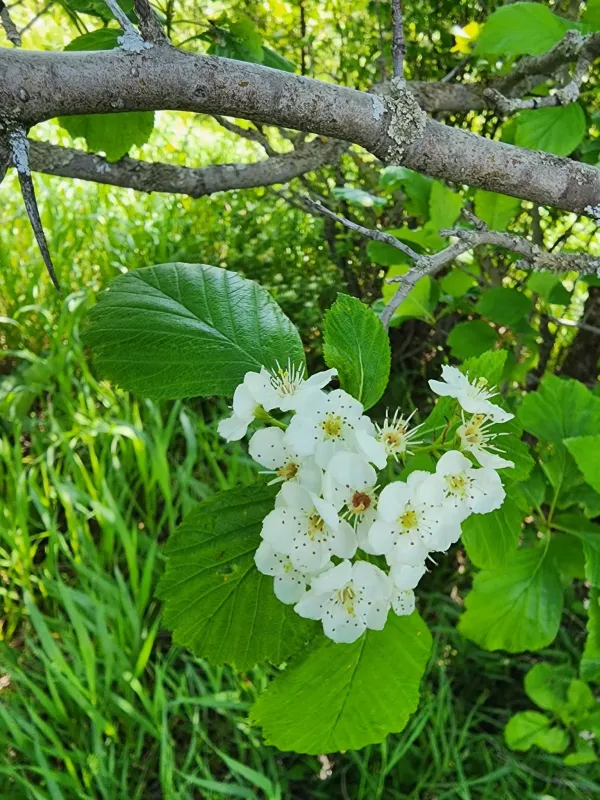
Description
Sowing dates
The fleshy hawthorn belongs to the Rosaceae family. It is a deciduous shrub or small tree that can reach a height of 5-6 meters.
Propagation is primarily done through seeds, which require a long period of stratification to increase germination rates. The best time for sowing is late autumn, planting before winter to allow the seeds to go through a natural cold cycle in the soil.
An alternative method of propagation involves grafting onto more common hawthorn species, which allows for faster production of fruit-bearing specimens. Cuttings are generally difficult to root for this species due to low natural success rates.
When planting, it is necessary to maintain a distance of at least 3-4 meters between plants. This ensures proper air circulation within the canopy and helps prevent the development of fungal diseases.
The root system is powerful and deep; therefore, the preparation of the planting hole should include the addition of organic fertilizers at a depth of 50-60 centimeters.
Growing requirements
The plant is highly winter-hardy and capable of surviving the harsh climates found in northern regions of North America. It prefers sunny locations, as yield significantly decreases in shaded areas.
Fleshy hawthorn is relatively undemanding regarding soil types, but it thrives best in fertile, loamy soils with a neutral or slightly alkaline pH. It does not tolerate waterlogging or overly compacted soil conditions.
Maintenance includes regular weeding and mulching to retain moisture. During dry periods, moderate irrigation is necessary, especially during the fruit-set phase.
Pruning is a crucial part of care. Sanitary pruning should be carried out in early spring, removing damaged or overcrowded branches to stimulate the growth of new fruit-bearing shoots.
To improve yields, mineral complex fertilizers and organic amendments, such as compost or well-rotted manure, should be applied to the soil annually.
Yield
The fruits of the fleshy hawthorn are large, bright red berries with juicy flesh, which gives the species its common name. They typically ripen in late summer or early autumn.
Yield depends on the tree's age and environmental conditions. With proper care, a mature plant can produce up to 15-20 kilograms of fruit per season.
The fruits are highly valued for their high content of vitamins, organic acids, and pectins. They are used fresh or processed into jams, jellies, preserves, and medicinal tinctures.
The berries have a pleasant sweet-and-sour taste, making them suitable for industrial food processing. In landscaping, this species is often valued as an ornamental element and a honey-producing plant.
Due to its frost resistance and low-maintenance nature, it is a popular choice for creating living hedges that also serve as a source of healthy produce.
Main diseases and pests
The primary threats to the plant include fungal diseases such as powdery mildew, leaf rust, and various spots. For prevention, fallen leaves must be cleared regularly, and fungicide treatments should be applied when necessary.
Among pests, hawthorn aphids, fruit weevils, and various leaf-rolling caterpillars pose the greatest risk. Regular monitoring of the canopy is essential for early detection of infestations.
If large outbreaks occur, systemic insecticides approved for fruit crops can be used. It is vital to adhere to pre-harvest intervals to ensure food safety.
Improper watering and poor air circulation can trigger fire blight, which requires drastic measures including the removal of infected branches or even the entire tree.
Integrated pest management includes annual whitewashing of the trunk and spraying the canopy with Bordeaux mixture in early spring before bud break.
Harvesting
Harvesting should be done in dry weather when the fruits reach full maturity and acquire their characteristic bright red color. Overripe berries become soft and are difficult to transport.
Harvesting is usually done by hand or by gently shaking the branches onto a clean sheet. It is important to avoid damaging the skin to maintain fruit freshness.
After picking, fruits are sorted to remove damaged ones. Fresh harvest can be stored in a cool place for 10-14 days, but for long-term use, drying or freezing is recommended.
For drying, berries are spread in a thin layer in well-ventilated areas or processed in dehydrators at temperatures not exceeding 50 degrees Celsius.
Frozen fruits retain the majority of their nutritional profile and can be used in cooking throughout the winter season without significant quality loss.