
Chinese hawthorn
Crataegus pinnatifida Bunge
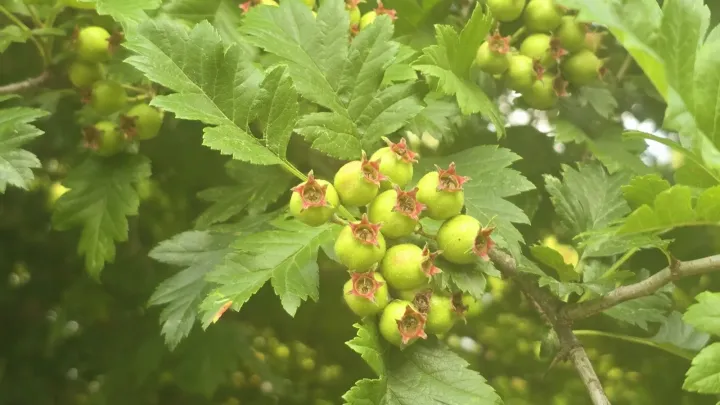
Description
Sowing dates
Propagation of the Chinese hawthorn is primarily done through seeds or vegetative methods such as grafting. Seeds should be sown in autumn to allow for natural stratification throughout the winter months, which is essential for successful germination.
If sowing is planned for spring, seeds require a prolonged cold stratification period of 4 to 6 months. Due to the generally low germination rate of seeds, it is recommended to use high-quality, fresh seeds and maintain consistent soil moisture.
In professional orchards, grafting onto common hawthorn rootstocks is preferred. This method ensures that the trees retain their specific cultivar traits and significantly reduces the time required for the trees to reach their first productive harvest.
When planting a new orchard, a spacing of 3 to 5 meters between individual trees is advised. This layout provides adequate space for crown development and improves air circulation, which is crucial for disease prevention.
The optimal planting time for saplings is during the dormancy phase, either in early spring before the buds break or in late autumn after the leaves have fallen.
Growing requirements
Belonging to the Rosaceae family, the Chinese hawthorn is a deciduous tree or large shrub. It is native to Eastern Asia, with its natural range extending across China, Mongolia, and the Korean Peninsula.
This species thrives in locations with full sun exposure. Sufficient light is critical for the development of its large fruits and for ensuring the sugar accumulation that gives the berries their characteristic flavor.
The plant performs best in fertile, well-drained loamy soils with a neutral or slightly alkaline pH. It is highly valued for its extreme cold hardiness, making it suitable for cultivation in regions with harsh winter climates.
Regular watering is necessary, especially during the peak of summer. However, it is vital to avoid waterlogging, as excessive soil moisture can easily lead to root rot and other fungal pathogens that affect tree health.
Pruning is an essential maintenance task. It should be performed annually to remove dead or diseased branches and to maintain an open canopy shape, which facilitates better light penetration and air movement.
Yield
The fruits of Crataegus pinnatifida are large, bright red berries with a distinctive sweet and tart taste. They are widely utilized in traditional Asian cuisine and modern food processing for making jams, jellies, and desserts.
Trees typically begin to provide a commercial yield between 6 and 8 years after planting. With proper horticultural care and canopy management, production levels can increase steadily as the tree matures.
Yield efficiency depends largely on annual maintenance practices, including the application of organic and mineral fertilizers during the bloom and fruit-set stages, which significantly boosts both quality and quantity.
The fruit is highly regarded in the pharmaceutical industry due to its rich composition of flavonoids, vitamins, and antioxidants. It is a key ingredient in many cardiovascular health supplements.
Efficient orchard management, including pest control and proper harvesting techniques, allows growers to maximize the market value of their crop for both culinary and medical purposes.
Main diseases and pests
The Chinese hawthorn is susceptible to diseases common to the Rosaceae family, such as fire blight, which can cause significant damage to young shoots and leaves. Monitoring for symptoms is vital during the growing season.
Powdery mildew is another common issue, especially in environments with poor ventilation or high humidity levels. Maintaining appropriate spacing between trees helps reduce the impact of this fungal disease.
Insect pests, such as aphids and the hawthorn fruit moth, pose a significant threat. They can damage foliage and fruit quality, reducing the overall yield and making the crop unsuitable for high-end markets.
An integrated pest management approach is the most effective way to handle threats. This includes the use of biological control agents and carefully timed applications of protective sprays during early developmental phases.
- Monitoring foliage for early signs of disease.
- Implementing regular pruning to improve airflow.
- Using appropriate insecticides to control fruit moths.
- Removing fallen leaves to minimize infection sources.
- Applying preventive fungicides in early spring.
Harvesting
Harvesting usually occurs in late September or October when the fruits have reached full maturity. A vibrant red color and a firm but slightly yielding texture indicate that the fruit is ready for picking.
It is important to avoid over-ripening on the branches, as the fruits may become too soft to transport effectively. Harvesting should be performed with care to prevent bruising or mechanical damage to the berries.
Once harvested, the fruit should be cleaned and sorted immediately. Removing damaged or decayed berries prevents the spread of rot, which is particularly important if the crop is intended for long-term storage.
Drying is a common method for processing this crop. By drying the fruits at controlled temperatures of 40–50°C, producers can preserve the essential nutrients while extending the shelf life of the product significantly.
Fresh fruit can be stored in cold facilities at temperatures near 0°C with high humidity for several weeks, maintaining their freshness and ensuring high quality for the end consumer.