
Pear hawthorn
Crataegus submollis Sarg.
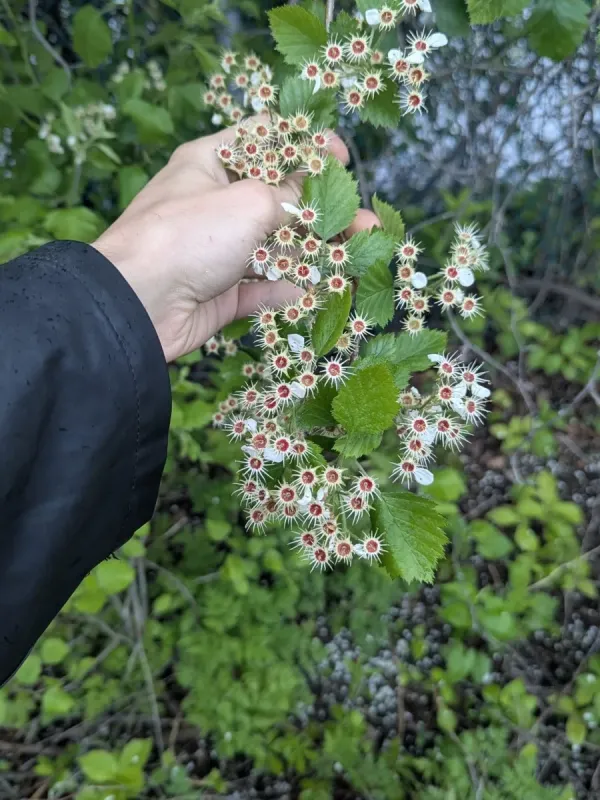
Description
Growing requirements
Pear hawthorn (Crataegus submollis Sarg.) is a member of the Rosaceae family, originating from North America. This species is recognized for its ornamental appeal, featuring delicate white flowers in spring and bright red, edible fruits in late summer.
The plant is exceptionally hardy and adaptable to various climate zones. It thrives best in full sun, which is essential for maximizing fruit yield and developing a strong, healthy branch structure during the growing season.
Soil preferences include deep, fertile, and well-drained loams. While the species is somewhat tolerant of different soil pH levels, it performs optimally in slightly acidic to neutral soil environments with adequate organic matter.
Cultural practices require regular pruning to maintain a manageable shape and encourage airflow throughout the canopy. This practice is crucial for reducing humidity levels within the foliage and preventing fungal infections.
Water management is vital during the establishment phase of young shrubs. Although mature plants are relatively drought-tolerant, supplemental irrigation during prolonged dry spells will ensure optimal fruit development and plant vigor.
Yield
The fruit of the pear hawthorn is highly valued for its culinary versatility. It is commonly used in jams, jellies, and desserts due to its high pectin content and pleasant, mildly sweet flavor profile when fully ripe.
Yield capacity is considered moderate to high for a shrub of its size. When properly managed, a mature specimen can reliably produce significant harvests annually, contributing to both ornamental and food production goals.
Main diseases and pests
Common issues include fire blight and powdery mildew, especially in regions with high humidity or poor ventilation. Implementing a strict sanitation program, including the removal of infected wood, is the best primary defense.
Pests such as hawthorn lace bug and various aphids may occur. Monitoring the undersides of leaves during late spring is recommended to identify infestations early and apply appropriate integrated pest management strategies.