
Mexican hawthorn
Crataegus pubescens C. Presl
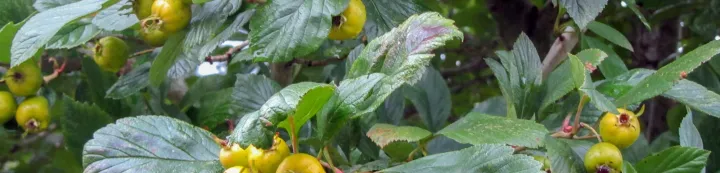
Description
Growing requirements
Mexican hawthorn (Crataegus pubescens) is a member of the Rosaceae family. This species is highly valued for its edible fruit and is commonly grown in mountainous regions of Mexico and Central America.
It prefers climates that mirror its native habitat, specifically subtropical highlands, but it can adapt to various temperate conditions if protected from extreme frost.
The tree thrives in well-drained, fertile soil ranging from loamy to slightly sandy textures. It requires full sunlight to ensure healthy vegetative growth and optimal fruit production.
Cultural practices include regular pruning to maintain an open canopy, which improves air circulation and prevents fungal diseases. It is relatively drought-tolerant once established but benefits from irrigation during fruit development.
Proper nutrient management involves applying balanced fertilizers in early spring. Regular monitoring of soil moisture is essential to prevent water stress, which can negatively affect fruit size and flavor.
Main diseases and pests
Powdery mildew is a common fungal threat that appears as a white dust on leaves. Effective management includes improving airflow through pruning and applying sulfur-based fungicides when necessary.
Aphids and scale insects frequently infest the tender growth of the hawthorn. These pests can weaken the plant and encourage the growth of sooty mold, necessitating periodic inspection.
Fire blight, a bacterial disease, is a major concern for this species. It manifests as blackened, scorched-looking branches, requiring rapid surgical removal of affected tissue to save the tree.
Codling moths represent a significant risk to fruit quality. Integrated pest management, including the use of trapping and timely applications of organic sprays, is recommended for healthy harvests.
Maintaining a clean orchard floor by removing fallen leaves and decaying fruit helps significantly reduce the overwintering population of pests and pathogens.
Harvesting
Harvesting typically occurs when the fruits turn from green to a yellowish or orange hue, indicating they have reached their peak sweetness and maturity.
The fruits are prized for their unique texture and flavor, making them ideal for jams, preserves, and traditional culinary applications in their native range.
It is recommended to pick the fruits by hand or use specialized harvesting tools to ensure they remain intact, as they can be sensitive to pressure and bruising.
Post-harvest handling involves sorting the produce to ensure that only healthy, undamaged fruits enter storage. Proper ventilation is key to extending the shelf life of fresh berries.
If not sold or consumed fresh, the harvest can be processed into shelf-stable goods or dried. Proper dehydration methods preserve the high vitamin content characteristic of this fruit.