
Guadua
Guadua
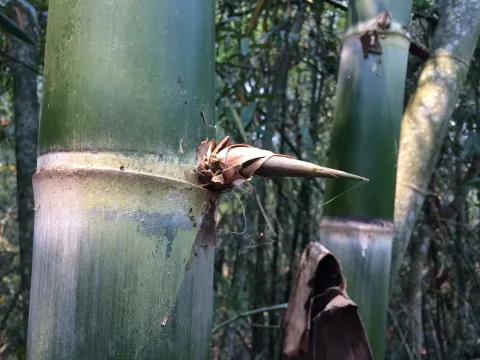
Guadua (Guadua) is a genus of giant woody bamboo belonging to the Poaceae family. These plants are recognized as one of the most efficient and fast-growing renewable natural resources found in the tropical regions of the Americas.
What the section contains


Guadua
The natural range of Guadua extends across the tropical zones of Central and South America. It thrives in humid tropical climates, requiring consistent temperatures between 20°C and 30°C and significant annual rainfall to support its rapid growth phases.
The ideal soil for Guadua is deep, fertile, and well-drained, rich in organic matter. While the plant requires plenty of moisture, it is highly sensitive to waterlogging, which necessitates careful soil preparation and drainage systems in areas with heavy clay soils.
Sunlight is vital for the development of Guadua. As a light-demanding species, it requires open, fully exposed sites to maximize its growth rate and ensure the structural integrity of the bamboo culms. Adequate spacing is crucial to prevent competition for light.
Agronomic management involves regular application of nitrogenous fertilizers to fuel the rapid production of new shoots. Maintaining proper plantation density is essential to allow for airflow, which reduces humidity trapped within the grove and promotes healthy culm development.
Guadua is widely utilized as a sustainable building material due to its exceptional strength-to-weight ratio. Its culms are highly resistant to seismic shocks and tensile stress, making them ideal for high-quality housing, bridge construction, and scaffolding.
Beyond construction, Guadua is extensively used in the furniture industry, flooring production, and interior design. Its high cellulose content also makes it a valuable candidate for pulp and paper production as an alternative to traditional timber.
Some species of Guadua produce edible shoots that are valued for their culinary properties in various South American regions. This makes the plantation a dual-purpose agricultural system that provides both construction materials and local food security.
The economic viability of Guadua farming is driven by its fast regeneration cycle. Once established, a well-managed plantation can provide a sustainable harvest for decades, as the selective harvesting method leaves the root system intact for continuous growth.
Optimal yields are obtained by harvesting mature culms aged between 3 to 5 years. At this maturity stage, the fibers are at their peak strength and density, ensuring the material meets the standards required for architectural and industrial engineering.
The primary threats to Guadua plantations include various wood-boring insects, particularly weevils, which target young shoots and stems. These pests can significantly compromise the structural quality of the bamboo if not managed correctly.
Fungal diseases, such as root rot and stem spot, pose a threat in poorly managed or excessively humid environments. Lack of proper ventilation and water accumulation around the roots are the main triggers for these pathological conditions.
Integrated pest management, including regular sanitation and the removal of damaged or dead culms, is the most effective way to maintain plantation health. Ensuring good drainage is also a fundamental preventive measure against water-borne fungal infections.
Overcrowded plantations significantly increase the risk of disease transmission. Proper spacing and thinning out older or congested stalks are essential agronomic practices to ensure the long-term productivity and health of the bamboo stand.
Regular field monitoring is necessary, especially during the rainy season. Early detection of pest infestations or symptoms of disease allows for targeted intervention, minimizing the need for chemical treatments and preserving the organic quality of the material.