
Spiny Bamboo
Guadua aculeata
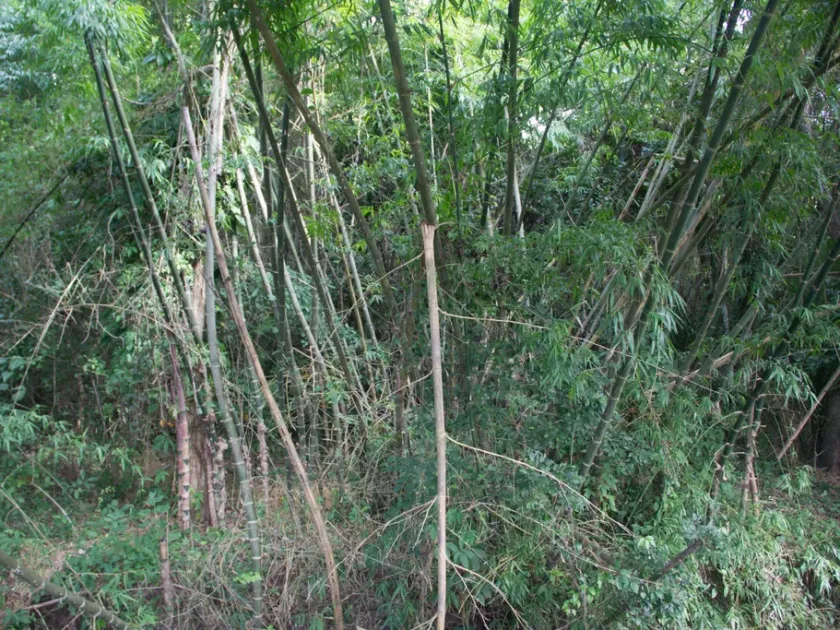
Description
Sowing dates
Spiny Bamboo is a tropical perennial plant that is propagated primarily through vegetative methods. Using rhizome cuttings or clump divisions is the most common and effective way to maintain the genetic integrity of the species.
Propagation material should be prepared at the onset of the rainy season to ensure optimal rooting and establishment. Rhizomes must be healthy and possess dormant buds capable of vigorous growth once planted in the soil.
For industrial plantation establishment, seedlings should be spaced 5 to 7 meters apart. This spacing allows sufficient room for the sprawling root system and prevents intense competition between mature clumps.
Soil preparation involves deep tillage and the incorporation of organic matter to foster a fast start for the young shoots. Regular irrigation during the first few months is critical until the rhizomes establish a strong network.
While the tropical climate allows for flexibility, scheduling planting with the beginning of the rainy season minimizes stress on the new plants and significantly improves survival rates.
Growing requirements
Belonging to the Poaceae family, Guadua aculeata is a giant bamboo species that demands specific tropical conditions. It requires consistent temperatures and avoids areas susceptible to extreme cold or sudden temperature fluctuations.
This species thrives in well-drained, fertile soils rich in organic matter. Waterlogging should be avoided, as it can cause root rot; therefore, sloping land or areas with natural drainage are highly preferred for cultivation.
High humidity and consistent annual rainfall are essential for the rapid growth of the stalks. While it is adaptable, prolonged droughts significantly reduce the rate of culm development and the quality of the harvested wood.
The plant is highly light-demanding, necessitating open locations with full sun exposure. Inadequate sunlight leads to elongated, brittle stalks that are prone to lodging under the influence of heavy winds.
Wind protection is vital for young plantations, although mature clumps are quite resilient and capable of creating their own favorable microclimate within the dense bamboo grove.
Yield
The yield of Spiny Bamboo is determined by the total volume of high-quality biomass suitable for construction and furniture manufacturing. Mature plantations can provide a reliable annual harvest of sturdy culms.
Productivity is directly linked to the density of the planting and the intensity of cultural practices. Under optimal management, the harvest cycle for individual culms typically ranges from 4 to 6 years of maturity.
Key metrics for yield include the diameter of the culm, wall thickness, and fiber density. Guadua is globally recognized for its exceptional strength, making it a premium resource in modern architectural design.
Economic efficiency is enhanced through selective harvesting, where only mature stalks are removed. This ensures the continued vitality of the clump and promotes the growth of younger, stronger stalks in the center.
Modern management strategies allow for high concentrations of biomass, positioning this bamboo as a highly profitable and sustainable resource for both domestic and industrial applications.
Main diseases and pests
While relatively robust, Guadua aculeata can be susceptible to fungal diseases if conditions become excessively humid or if ventilation between stalks is poor. Proper spacing and hygiene are essential to mitigate these risks.
Pests, particularly wood-boring insects, can damage young shoots or penetrate the cavities of mature stalks. Regular monitoring of the plantation is required to detect early signs of infestation and prevent localized damage.
Imbalanced soil nutrition can weaken the plants, making them more susceptible to environmental stressors and biological attacks. Soil testing is necessary to calibrate fertilizer applications for maximum plant immunity.
Preventative measures include removing debris and thinning out old or damaged culms to improve air circulation. This reduces the risk of mold growth and pest accumulation within the dense bamboo grove.
Integrated pest management, including biological controls, is highly recommended to maintain the ecological health of the plantation and ensure the high quality of the bamboo timber produced.
Harvesting
Harvesting Spiny Bamboo requires technical expertise, as only culms that have reached physiological maturity should be selected. Premature harvesting leads to inferior material prone to shrinkage and decay.
The best time to harvest is during the dry season when starch and sugar levels within the culm are at their lowest. This naturally increases the durability of the wood and reduces attractiveness to borers.
Cutting must be performed at the base of the clump with sharp tools to avoid shattering or damaging the rhizome. Clean cuts are essential to prevent the accumulation of moisture and the start of localized rot.
Post-harvest processing involves cleaning, sorting by diameter, and proper drying techniques. Controlled drying is crucial to stabilize the material and prevent the cracking and splitting of the bamboo stalks.
Effective logistics to transport the timber from the field to the processing facility is vital for profitability. Protecting the harvested bamboo from rain and direct sun is necessary to preserve its mechanical properties.