
Guadua angustifolia
Guadua angustifolia
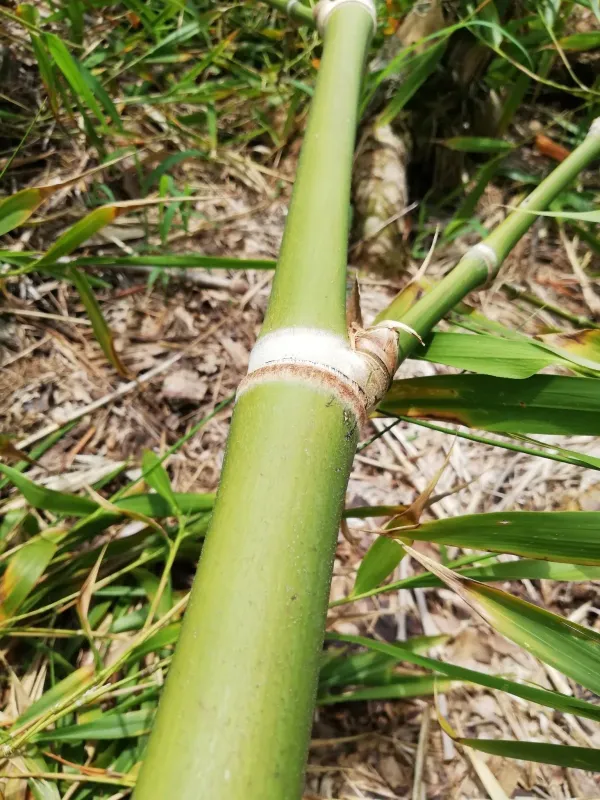
Description
Sowing dates
Guadua angustifolia is a perennial grass that is propagated exclusively through vegetative methods, such as rhizome division or stem cuttings, rather than seeds.
The most favorable planting period begins with the arrival of the rainy season, ensuring adequate moisture for the establishment of the young bamboo clump.
When selecting planting material, it is essential to choose healthy rhizome segments with active nodes to ensure rapid growth and high survival rates in the field.
The spacing between plants should be maintained between 5 and 8 meters to prevent overcrowding and allow the clumps sufficient space for expansion.
Consistent irrigation during the first few months post-planting is crucial for root development, even if environmental conditions are favorable.
Growing requirements
As a member of the Poaceae family, this species is considered the most important timber bamboo in the American tropics due to its extraordinary mechanical strength.
The crop thrives in tropical climates with temperatures ranging from 20 to 30 degrees Celsius and requires annual rainfall of at least 1200–2000 mm.
It prefers deep, fertile, and well-drained soils; sites prone to waterlogging should be avoided as they significantly hinder root health and growth.
High levels of sunlight are vital for the plant’s productivity; while young shoots may tolerate partial shade, mature clumps require full exposure for optimal biomass.
Routine soil management, including the application of organic amendments and maintaining proper drainage, is essential for long-term plantation productivity.
Yield
The initial harvest of mature culms can typically begin 5 to 7 years after the establishment of the plantation, once the plants reach technical maturity.
With correct management and selective harvesting practices, a plantation can remain productive for several decades, yielding a steady supply of high-quality timber.
The wood of Guadua angustifolia is widely used in construction, furniture manufacturing, and paper production, functioning as a sustainable alternative to steel.
Besides timber, the plant plays a critical role in soil conservation and erosion control, thanks to its extensive and deep-reaching root system.
Yield efficiency per hectare is exceptionally high, making it one of the most profitable and ecologically sustainable crops for tropical agricultural systems.
Main diseases and pests
Borer beetles are the most significant threat to mature culms, particularly if the material is not harvested at the right maturity or stored under improper humidity.
Fungal infections can occur when plantation management is neglected, leading to poor air circulation and excessive humidity within the bamboo clumps.
Preventive measures include regular sanitary thinning of the clumps, removing dead or damaged stems to improve airflow and reduce the incidence of disease.
The use of chemical pesticides should be minimized; biological control methods and proper sanitation are the primary strategies for maintaining plantation health.
Proper harvesting techniques and post-harvest moisture control are critical in reducing the sugar content that attracts wood-destroying insects.
Harvesting
Harvesting is performed manually using sharp tools, taking care to cut stems cleanly at the base without damaging the interconnected rhizome network.
A selective rotation system must be employed, where no more than 25–30% of mature stems are harvested in a single season to ensure the sustainability of the clump.
The ideal age for harvesting structural bamboo is between 4 and 5 years, ensuring the fibers have achieved maximum density and resistance to decay.
Following harvest, culms are stripped of branches and leaves in the field, which prepares the material for transport and subsequent drying processes.
Vertical curing of the bamboo stems after harvesting allows for the natural reduction of moisture and sap, which improves the durability of the final product.