
Guadua trinii
Guadua trinii
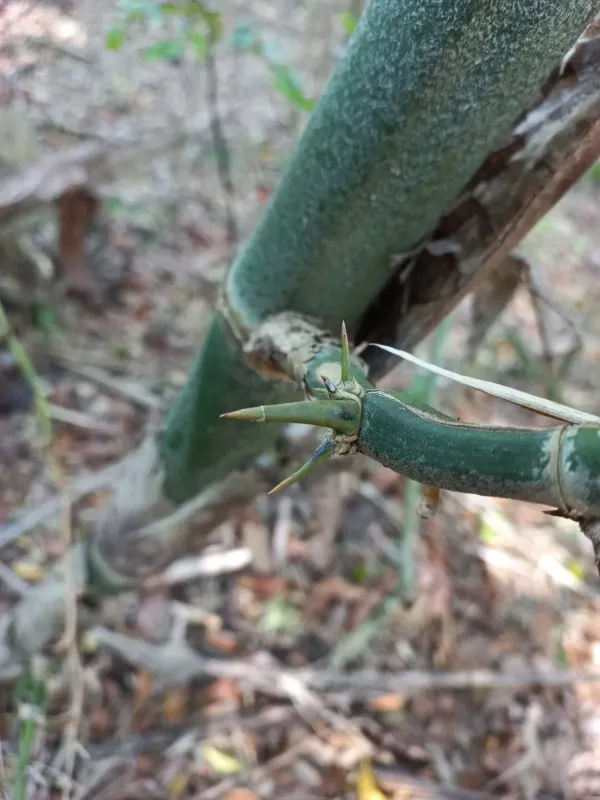
Description
Growing requirements
Guadua trinii is a prominent species of arborescent bamboo belonging to the Poaceae family. Native to South America, it thrives in tropical environments, particularly in humid forested regions and along riverbanks in countries like Brazil and Argentina.
The crop requires a stable, warm climate with high humidity levels and no occurrence of freezing temperatures. It performs best in fertile, well-draining loam soils that are rich in organic matter, which supports the intensive growth cycle of this giant grass.
Water availability is a critical factor for the successful establishment of a Guadua plantation. While it requires consistent moisture to thrive, it is equally important that the site has effective drainage to prevent root asphyxiation, especially during periods of heavy rainfall.
Standard agronomic practice involves vegetative propagation, as the flowering cycle of this bamboo is infrequent. Planting rhizome cuttings during the start of the wet season provides the best chance for rapid root development and ensures strong initial biomass growth.
Maintenance includes regular spacing adjustments to ensure that every clump has access to adequate sunlight and air circulation. Proper management of the growing density is essential to minimize the risk of pests and diseases within the bamboo grove.
Yield
Guadua trinii is highly valued for its exceptional mechanical properties, including high tensile strength and flexibility. Its stalks (culms) serve as a primary construction material for sustainable housing and infrastructure projects across South America.
Beyond traditional construction, the wood is utilized in the furniture industry for crafting durable flooring, household items, and decorative panels. The fiber quality is also favorable for the pulp and paper industry, offering a sustainable alternative to wood-based pulp.
Bamboo groves provide significant ecosystem services, acting as natural barriers against soil erosion on steep slopes. Their massive root systems stabilize the terrain and contribute to improved water retention in the surrounding soil layers.
The biomass productivity of this species is remarkable, allowing for periodic harvesting of mature culms while the clump remains productive for many years. This makes it an economically viable crop for farmers interested in high-yield agroforestry systems.
- Excellent strength-to-weight ratio
- High natural durability of mature culms
- Rapid regeneration after harvesting
- Renewable resource for construction and industry
Main diseases and pests
The primary biotic threats to Guadua trinii plantations are fungal pathogens that thrive in high-humidity conditions. If left unmanaged, these fungi can colonize the culms, leading to discoloration and structural decay that renders the material unusable.
Insects, particularly wood-boring beetles, pose a major challenge by infiltrating the bamboo culms. These pests tunnel through the internodes, compromising the integrity of the stalks and significantly reducing their market value as raw construction material.
Poor site selection, such as areas with inadequate drainage or excessive shade, can weaken the plants, making them more susceptible to infestations by mites and other sap-sucking insects that stunt overall growth and vigor.
Preventive strategies include maintaining clean field conditions by removing dead culms and organic debris. Regular monitoring for early signs of pest activity allows for targeted interventions, avoiding the need for heavy chemical applications.
Adopting integrated pest management (IPM) practices, such as encouraging natural predators or utilizing botanical-based deterrents, is highly recommended to sustain the health of the plantation and ensure the long-term viability of the crop.