
Guadua tagoara
Guadua tagoara
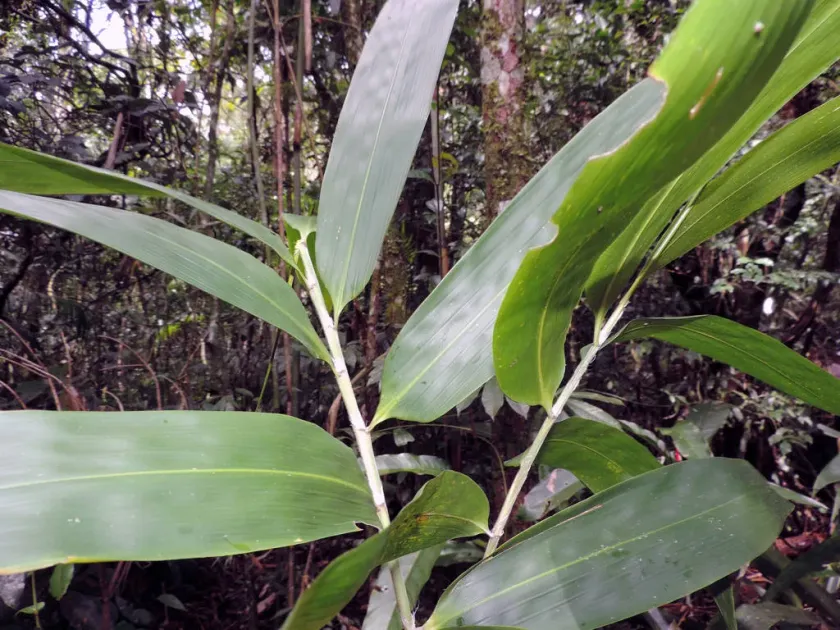
Description
Growing requirements
Guadua tagoara is a prominent member of the Poaceae family, widely recognized for its robust growth and significant utility. Native to South American tropical landscapes, this giant bamboo species thrives in warm and humid environments where seasonal changes are minimal.
The plant requires deep, fertile, and well-drained soils to support its rapid development and structural integrity. While it flourishes in high-rainfall areas, it is essential to ensure that the site does not suffer from waterlogging, which can be detrimental to the rhizome system.
Environmental conditions should remain frost-free, as Guadua tagoara is highly sensitive to cold temperatures. The ideal growth climate involves constant warmth, with temperatures ranging from 20 to 32 degrees Celsius, coupled with bright, indirect or direct sunlight.
Successful management involves consistent irrigation during dry spells, especially for young plantations. The application of balanced fertilizers high in nitrogen helps accelerate the production of new culms, which are the primary harvestable product.
This bamboo is primarily utilized in the construction industry for its high tensile strength and durability. It is also increasingly used in sustainable manufacturing, interior design, and for erosion control in reforestation projects across the tropics.
Main diseases and pests
Fungal pathogens represent the most significant threat to Guadua plantations. High humidity levels without adequate air circulation between stems often lead to rust diseases and leaf blight, affecting overall plant vigor.
Insect pests, specifically bamboo mites and various boring beetles, pose a direct challenge to the quality of the culms. These pests can bore into the mature stems, compromising their structural strength and industrial value.
Root rot, often caused by stagnant water in the soil, can destroy the rhizome base of the plant. This condition is difficult to treat once advanced, making preventative drainage management a critical agronomic requirement.
Regular monitoring of the canopy is advised to identify early signs of infestation. Pruning overcrowded clusters helps increase airflow, which naturally reduces the risk of pest outbreaks and fungal spread across the plantation.
Integrated pest management strategies, emphasizing the use of beneficial insects and resistant cultivars, ensure the long-term productivity and environmental sustainability of Guadua tagoara operations.