
Grevillea
Grevillea x variegata
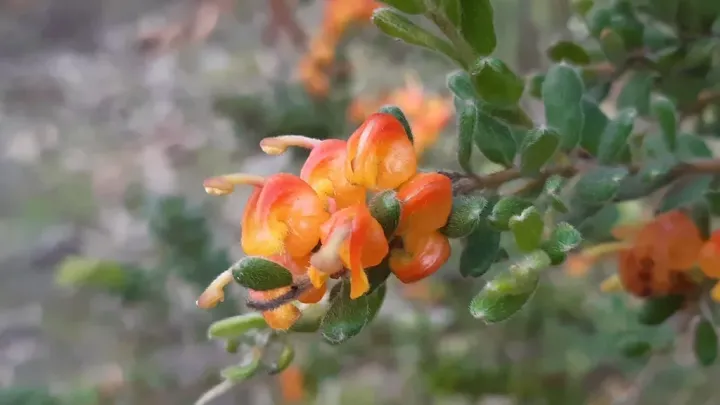
Description
Growing requirements
Grevillea is a remarkable genus within the Proteaceae family, native primarily to Australia and New Guinea. This culture is well-known for its evergreen foliage and unique inflorescences, making it a high-value ornamental crop in various agricultural and horticultural sectors.
The plant thrives under conditions of high solar radiation. It requires bright, direct light to maintain its compact growth habit and vibrant leaf color. In controlled agricultural environments, light supplementation may be necessary during shorter winter days to prevent etiolation.
Temperature management is critical for the success of Grevillea cultivation. The plant prefers mild climates, typically requiring temperatures between 18 and 24 degrees Celsius during the growing season, and slightly cooler temperatures at night to trigger optimal development.
Soil requirements are quite specific for members of the Proteaceae family. They necessitate a well-draining, acidic growing medium with a pH range of 5.0 to 6.0. Soils with high phosphorus levels or alkaline content are detrimental to the root system and must be avoided.
Irrigation management requires precision. Grevillea plants are highly sensitive to waterlogged soil, which often leads to root rot. Using rainwater or soft water is highly recommended to avoid the accumulation of minerals that can damage the sensitive root hairs.
Main diseases and pests
The primary pests affecting Grevillea in cultivation are spider mites and mealybugs. These organisms thrive in dry, stagnant air conditions and can cause significant damage to the leaf tissue if not managed early through integrated pest management.
Fungal pathogens, particularly Phytophthora, pose a severe threat to the root system. This is often triggered by poor drainage and excessive moisture levels, leading to sudden wilting and collapse of the plant structure.
Chlorosis is a frequent physiological issue observed in Grevillea, usually resulting from iron deficiency due to incorrect soil pH levels. Correcting the soil chemistry is essential to restore the plant's metabolic health and vigor.
Fungal leaf spots can occur if the humidity levels are too high without adequate air circulation. Keeping the canopy dry and ensuring good spacing between individual plants is a fundamental practice in preventative disease management.
Regular monitoring of the rhizosphere and foliage health is vital for the longevity of the plantation. Early detection of any stress symptoms allows for targeted intervention with appropriate biological or chemical agents.