
Royal Grevillea
Grevillea victoriae
Description
Growing requirements
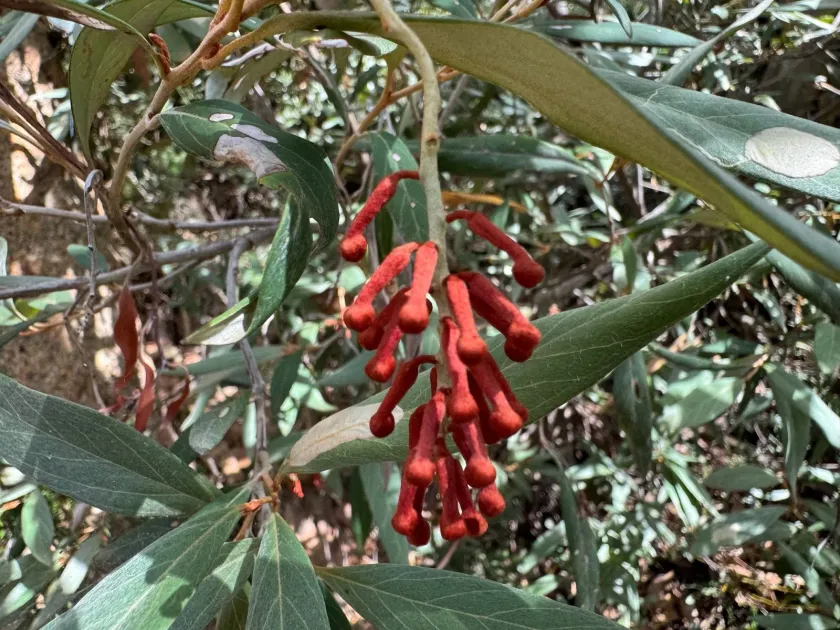
The Royal Grevillea (Grevillea victoriae) is an evergreen shrub belonging to the Proteaceae family, native to the mountainous regions of Australia. This plant is widely recognized for its elegant foliage and distinct drooping flower clusters.
The cultivation of this species requires well-draining, acidic to neutral soils. It is highly sensitive to soil phosphorus levels, and growers must avoid using standard high-phosphorus fertilizers which can be toxic to the roots of Proteaceae species.
Optimal site selection involves full sun exposure with some protection from extreme afternoon heat in warmer climates. The plant exhibits hardiness to moderate frost, making it suitable for temperate regions where winter temperatures do not remain excessively low.
Agrotechnical maintenance focuses on providing consistent moisture without waterlogging. Proper soil aeration is critical, as root rot is the most common cause of failure in domestic and commercial cultivation attempts.
Uses include garden landscaping, where it serves as a robust hedge or a specimen shrub. Its attraction to native birds and pollinators adds ecological value to the agricultural and ornamental landscapes where it is planted.
Main diseases and pests
The primary threat to the Royal Grevillea is Phytophthora root rot, a soil-borne fungus that thrives in damp, poorly drained conditions. There is no cure for established infections, so prevention through site preparation is vital.
Insects such as mealybugs and scale insects may infest the foliage, particularly in greenhouse settings or during dry spells. Horticultural oils are generally effective for control if applied during the early stages of infestation.
Iron chlorosis, characterized by yellowing of the leaves between the veins, frequently occurs when the soil pH is too high, preventing proper nutrient uptake. Acidifying amendments may be necessary to correct this imbalance.
Physical damage to the root system during cultivation should be strictly avoided, as it creates entry points for soil pathogens. Mulching is the preferred method for weed suppression and root protection.
To ensure long-term plant health, maintain proper spacing to facilitate air circulation and minimize humidity buildup within the canopy. Regular inspections help identify early signs of pathogen presence or environmental stress.