
Grevillea venusta
Grevillea venusta
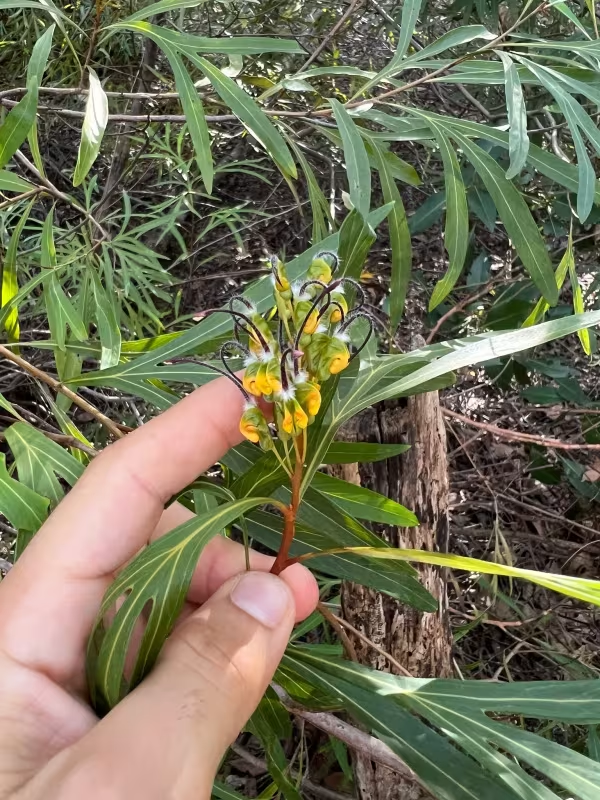
Description
Growing requirements
Grevillea venusta is a distinct species belonging to the Proteaceae family. Native to the rugged landscapes of Australia, this plant has evolved to thrive in specialized environmental niches, making it a unique specimen for cultivation.
The culture requires high levels of solar exposure and excellent air circulation to maintain optimal health. It is imperative to plant it in well-draining, slightly acidic soil, as the roots are highly sensitive to waterlogging and soil compaction.
Climatic adaptability is limited, as the plant prefers mild temperatures and lacks significant frost tolerance. In regions with harsh winters, protection in a greenhouse or conservatory is necessary to preserve the plant structure.
Agricultural management relies on careful irrigation practices, ensuring the soil never remains perpetually wet. It is vital to use fertilizers specifically labeled for Proteaceae, as traditional high-phosphorus fertilizers can be toxic to these plants.
Botanically, the plant is characterized by its vibrant inflorescences and specialized foliage that minimizes water loss. These features allow the shrub to survive in environments where water availability is sporadic and nutrients are scarce.
Main diseases and pests
Root rot is the most significant threat to Grevillea venusta, typically caused by overwatering or poor drainage. Once established, fungal pathogens can quickly degrade the root system, often resulting in irreversible damage.
Pests such as mealybugs and scale insects often infest the dense stems and leaves. Regular monitoring and the application of horticultural oils or systemic insecticides can help manage and eliminate these populations effectively.
Spider mites represent a major concern when the plant is kept in low-humidity environments, such as indoor settings. Increasing humidity around the plant and ensuring good ventilation are key preventative measures.
Nutrient deficiencies, particularly involving trace elements like iron, can cause yellowing of the foliage. Addressing the pH levels of the growing medium is essential to ensure that the plant can properly absorb available nutrients.
Mechanical damage to the sensitive root system is a major agricultural risk. Careless weeding or improper transplanting techniques can expose the roots to soil-borne pathogens, leading to plant decline and systemic infections.